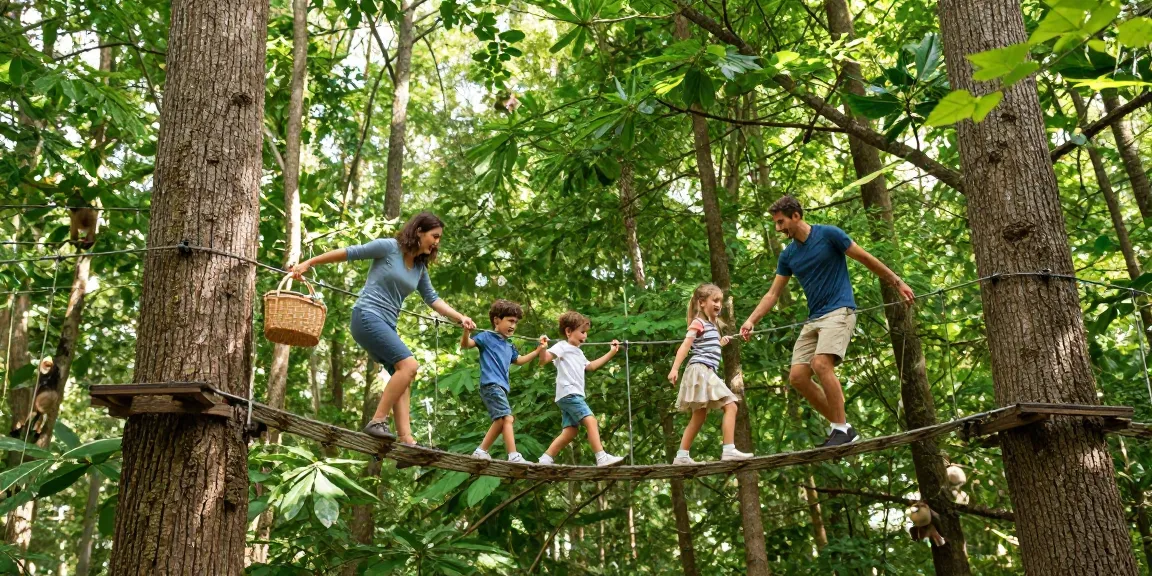
Understanding the Basics of Rope Bridges
A rope bridge is a unique and versatile structure that has been used for centuries to connect two points across an obstacle, whether it be a river, valley, or even between trees in a forest. These bridges are typically made from strong materials such as ropes and wooden planks, allowing them to provide a safe means of passage while also adding an element of adventure to outdoor spaces. As interest in rope bridges grows, particularly for treehouse projects and playgrounds, it's essential to understand their characteristics, benefits, and construction techniques. When exploring options, Rope Bridge construction can offer comprehensive insights for enthusiasts and beginners alike.
What is a Rope Bridge?
A rope bridge, by definition, is a bridge where the load-bearing elements are ropes, often complemented by a secondary structure such as wooden or metal planks. This design allows for flexibility and lightness, making it ideal for various terrains and applications. Rope bridges are historically significant as they were originally constructed by indigenous cultures around the world, often using locally sourced natural materials.
Types of Rope Bridges and Their Uses
- Simplified Suspension Bridges: These are the most common type of rope bridges, involving cables anchored at both ends. They are typically used in hilly or mountainous terrains.
- Hammock Bridges: These bridges have a more flexible structure that allows them to sway, often used in adventurous settings such as obstacle courses.
- Treehouse Rope Bridges: Specifically designed for treehouses, these bridges offer an exciting way to connect multiple platforms, encouraging play and exploration.
- Commando Bridges: Used primarily in military training, these short bridges are designed for rapid deployment and quick crossings.
Planning Your Rope Bridge Project
Choosing the Right Location for Your Rope Bridge
Choosing the right location for your rope bridge is crucial for its functionality and safety. Consider factors such as the distance between anchor points, the type of terrain, and environmental concerns. Ideally, a suitable site should offer stable ground for securing the bridge's ends and provide enough clearance above the ground or water below to ensure safety during use.
Safety Considerations When Building a Rope Bridge
Safety must be a priority when constructing a rope bridge. The following considerations can significantly enhance the safety of your bridge:
- Weight Capacity: Ensure your design can handle the anticipated load, including additional weight for safety.
- Weather Conditions: Choose materials that withstand the elements, such as UV-resistant ropes, especially for outdoor bridges.
- Regular Inspections: Establish a routine to check the integrity of both the materials and the overall structure.
Designing Your Rope Bridge Layout
The design of your rope bridge should not only be aesthetically pleasing but also functional and safe. Start by sketching a layout that takes into account the appropriate dimensions, supports, and anchoring systems. Include safety features such as railings or safety nets, especially for bridges intended for children or used in recreational environments.
Building a Rope Bridge: Step-by-Step Guide
Gathering Necessary Tools and Equipment
Before starting construction, gather all necessary tools and materials. Common tools required include drills, saws, and measuring equipment, alongside materials like strong ropes, wooden planks, and metal connectors. Ensure all your tools are safe to use and in good working condition before beginning your project.
Constructing the Foundation and Supports
The foundation and supports are critical to the stability of your rope bridge. Begin by fortifying the anchor points, using heavy-duty posts or trees that can withstand the tension of the ropes. Ensure that these supports are deeply secured in the ground to prevent any movement or sway while the bridge is in use.
Securing Cables and Ensuring Stability
Once the foundation is secure, you can begin attaching the cables. It's important to follow a tight pattern to distribute weight evenly across the structure. Use appropriate knots and hardware to secure the cables, ensuring they are taut to minimise sagging during use. Regular testing of the tension can help maintain the integrity of the bridge.
Maintaining Your Rope Bridge for Longevity
Regular Inspections and Upkeep
To ensure longevity and safety, regular inspections and maintenance are crucial. Check for frays or wear on the ropes and replace them as necessary. Inspect the supports and overall structure for any signs of weakness or rot, especially after severe weather conditions.
Weather Considerations and Damage Prevention
Weather can significantly impact the longevity of your rope bridge. Consider implementing protective measures such as waterproofing treatments for wooden components and coverings to shield against harsh weather. Additionally, during extreme conditions, avoid using the bridge to prevent wear and tear.
Upgrading Your Rope Bridge Safety Features
As safety technology progresses, consider upgrading your rope bridge with newer safety features such as automatic braking systems or enhanced railings. These upgrades can provide added peace of mind, particularly in places frequently used by children or in busy recreational areas.
Best Practices and Tips for Rope Bridge Use
Teaching Children Safety on the Rope Bridge
Educating users, especially children, on how to safely utilise a rope bridge is essential. Establish clear rules about weight limits, proper crossing techniques, and the importance of remaining calm while crossing. Interactive sessions can foster a sense of responsibility and awareness regarding bridge safety.
Creating Fun Activities on Your Rope Bridge
A rope bridge can be more than just a means of crossing; it can become a valuable part of outdoor play and education. Consider creating games or challenges that encourage children to engage with the bridge in a safe and controlled manner, turning it into an exciting adventure.
Future Trends in Rope Bridge Design and Construction
As designers and engineers continue to innovate, future trends in rope bridge construction may include the use of advanced materials that offer even greater strength and durability while reducing weight. Additionally, eco-friendly designs that incorporate sustainable materials may become a standard, appealing to environmentally-conscious builders and users alike.