
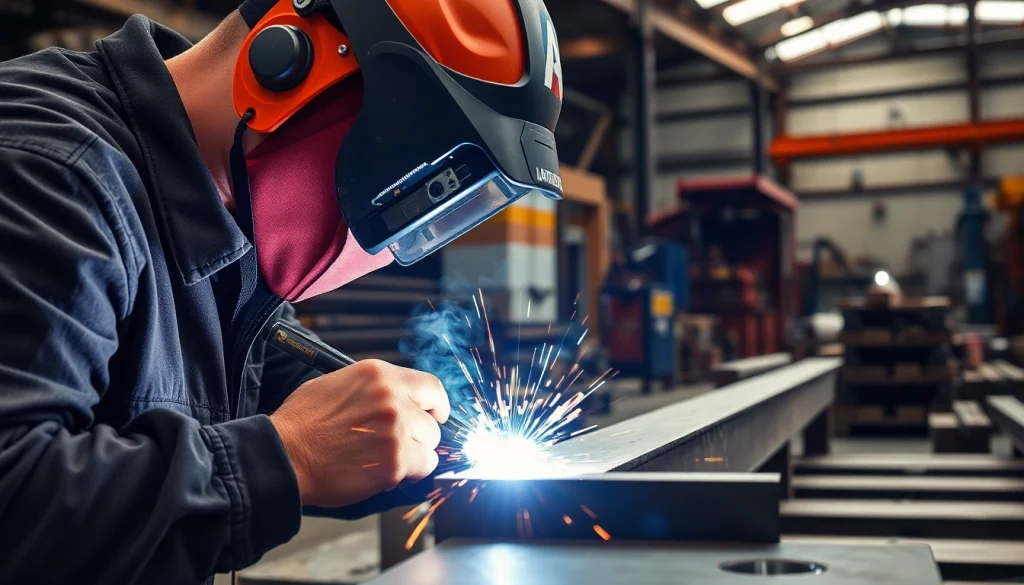
Introduction to Structural Steel Welding
In the realm of construction and architecture, structural steel welding stands as a cornerstone practice, pivotal for the integrity and durability of buildings and infrastructure. As a specialized craft, it encompasses processes that bond steel components into robust frameworks capable of withstanding various loads and environmental factors.
What is Structural Steel Welding?
Structural steel welding refers to techniques used to join pieces of structural steel by melting the metal parts and allowing them to fuse together once cooled. This method is integral for creating strong, load-bearing structures that can endure significant stress. Various welding techniques are used to achieve precision and strength in these joints, tailored to the specifics of each project and the type of steel being used.
Importance of Structural Steel Welding in Construction
The significance of structural steel welding cannot be overstated. It not only enhances the strength and stability of buildings but also allows for innovative architectural designs. Properly executed welds ensure that structures can withstand forces such as wind, earthquakes, and heavy loads, making safety a top priority. The flexibility offered by welding also enables architects to realize complex designs, accommodating various aesthetic and functional requirements.
Key Components of Structural Steel Welding
- Weld Joints: These are the specific points at which steel pieces are joined. Types of weld joints include butt, lap, corner, edge, and tee joints, each serving specific functions and purposes.
- Filler Material: Sometimes necessary to fill gaps between pieces of steel to create stronger joints. The choice of filler material depends on the base metal and the desired properties of the weld.
- Welding Equipment: Includes tools and machines such as MIG, TIG, and Stick welding machines, which facilitate different welding techniques depending on the application.
- Welding Procedures: Documented methods detailing how specific welding tasks should be executed, ensuring consistency and quality control.
Types of Welding Techniques Used in Structural Steel
Common Welding Techniques: MIG, TIG, and Stick
Structural steel welding employs various techniques, each suitable for different applications. The three most common methods are:
- MIG Welding (Metal Inert Gas): This method uses a continuous wire feed as the electrode and a shielding gas to protect the weld pool from contamination. MIG welding is versatile and efficient, making it ideal for high-speed production work.
- TIG Welding (Tungsten Inert Gas): Known for its precision, TIG welding utilizes a non-consumable tungsten electrode to produce the weld. It’s particularly effective for thin materials and offers superior control, though it is generally slower than MIG welding.
- Stick Welding (Shielded Metal Arc Welding): This technique employs a consumable electrode coated in flux. It’s highly versatile and effective in outdoor conditions, making it suitable for various structural steel applications, especially in adverse environments.
When to Use Each Welding Technique
Selecting the appropriate welding technique depends on several factors, including the types of steel used, the thickness of materials, and the specific project requirements:
- MIG welding is preferred for high-volume production due to its speed and ease of operation.
- TIG welding is ideal for intricate designs or when working with thin materials that require a high level of precision.
- Stick welding shines in outdoor conditions and applications where portability and versatility are needed.
Advantages and Disadvantages of Welding Methods
Understanding the pros and cons of each welding method assists professionals in choosing the best process for their structural needs:
- MIG Welding:
- Advantages: Fast, efficient for thicker materials, easy to learn.
- Disadvantages: Less effective in windy conditions, requires skilled operators to avoid defects.
- TIG Welding:
- Advantages: High-quality, precise welds, good for thin materials.
- Disadvantages: Slower than MIG, requires more skill and practice.
- Stick Welding:
- Advantages: Versatile and effective in outdoor settings, easier to transport equipment.
- Disadvantages: Produces more spatter, slower than MIG, requires cleaning of the weld area.
Preparation Steps for Effective Structural Steel Welding
Essential Safety Precautions
Welding presents several hazards, including exposure to intense light, fumes, and high temperatures. Adopting stringent safety measures is crucial to protect welders and surrounding personnel:
- Wear protective gear, including welding helmets with proper shading.
- Use flame-resistant clothing to prevent burns.
- Ensure good ventilation in the workspace to mitigate fume exposure.
- Keep fire extinguishers accessible and ensure all personnel are aware of emergency protocols.
Choosing the Right Equipment
Choosing the appropriate equipment involves considering types of welding machines, shielding gases, electrodes, and safety gear. Key factors include:
- The thickness and type of steel being welded.
- The chosen welding technique and the required precision.
- Project scale and environmental conditions, which may affect equipment choice.
Preparing Steel Surfaces for Welding
Surface preparation plays a critical role in ensuring a strong weld. This involves:
- Cleaning surfaces to remove contaminants such as rust, oil, or paint.
- Checking for proper alignment of materials to avoid distortion during welding.
- Ensuring edges are beveled as necessary to create a stronger joint.
Quality Control and Testing in Structural Steel Welding
Understanding Welding Standards
Quality control in welding involves adhering to established standards to ensure safety and performance. Organizations such as the American Welding Society (AWS) and the International Organization for Standardization (ISO) provide guidelines that define acceptable welding practices and performance metrics.
Common Defects and How to Avoid Them
Welding defects can compromise structural integrity. Common issues include:
- Porosity: Gas pockets in the weld caused by inadequate cleaning or shielding. To prevent this, ensure proper cleaning and shielding gas flow.
- Undercut: A groove formed at the edge of the weld metal. Avoid using too high voltage or travel speed.
- Cracks: Caused by stresses or rapid cooling. Control preheat temperature and ensure proper cooling methods.
Testing Methods for Weld Integrity
To validate the strength of welds, various testing methods can be employed:
- Visual Inspection: The first step in quality assurance, checking for surface defects.
- Non-Destructive Testing (NDT): Techniques like ultrasonic, radiographic, and magnetic particle testing assess hidden defects without damaging the weld.
- Destructive Testing: Includes tensile tests to determine the strength and ductility of the weld.
Future Trends in Structural Steel Welding
Advancements in Welding Technology
The future of structural steel welding is shaped by ongoing technological advancements that increase precision and efficiency:
- Laser Welding: Offers unmatched precision and speed, ideal for high-quality applications.
- Robot-Assisted Welding: Increases throughput while minimizing human error, particularly effective in large-scale projects.
Impact of Automation on Structural Steel Welding
Automation is revolutionizing the welding industry, leading to greater consistency and productivity. Robotic systems can perform repetitive tasks with high accuracy, significantly reducing labor costs and the potential for human error. This trend allows skilled welders to focus on complex aspects of welding that require human oversight.
Environmental Considerations in Welding Practices
As environmental concerns grow, sustainable practices in welding have become increasingly important. This includes:
- Reducing emissions through advanced welding methods that minimize fumes.
- Implementing recycling processes for materials and waste generated during welding.
- Opting for eco-friendly shielding gases to reduce the ecological footprint.
Frequently Asked Questions About Structural Steel Welding
What materials can be welded using structural steel welding?
Structural steel welding is primarily applied to carbon steel, alloy steel, and some stainless steel grades, depending on the welding process used.
How do I choose the right welding technique for my project?
The choice of welding technique depends on factors like material thickness, joint configuration, project scale, and environmental conditions. Assess these elements to determine the most suitable method.
What safety measures should be taken when welding?
Essential safety measures include wearing protective gear, ensuring proper ventilation, and keeping firefighting equipment readily accessible. Training on emergency procedures is also critical.
What are the common defects in welding, and how can they be prevented?
Common defects include porosity, undercutting, and cracks. Preventive measures include proper surface cleaning, correct settings for welding parameters, and controlled cooling techniques.
How can I ensure the quality of my welds?
Quality can be ensured through adherence to welding standards, conducting regular inspections, and employing testing methods like non-destructive testing for hidden defects.