




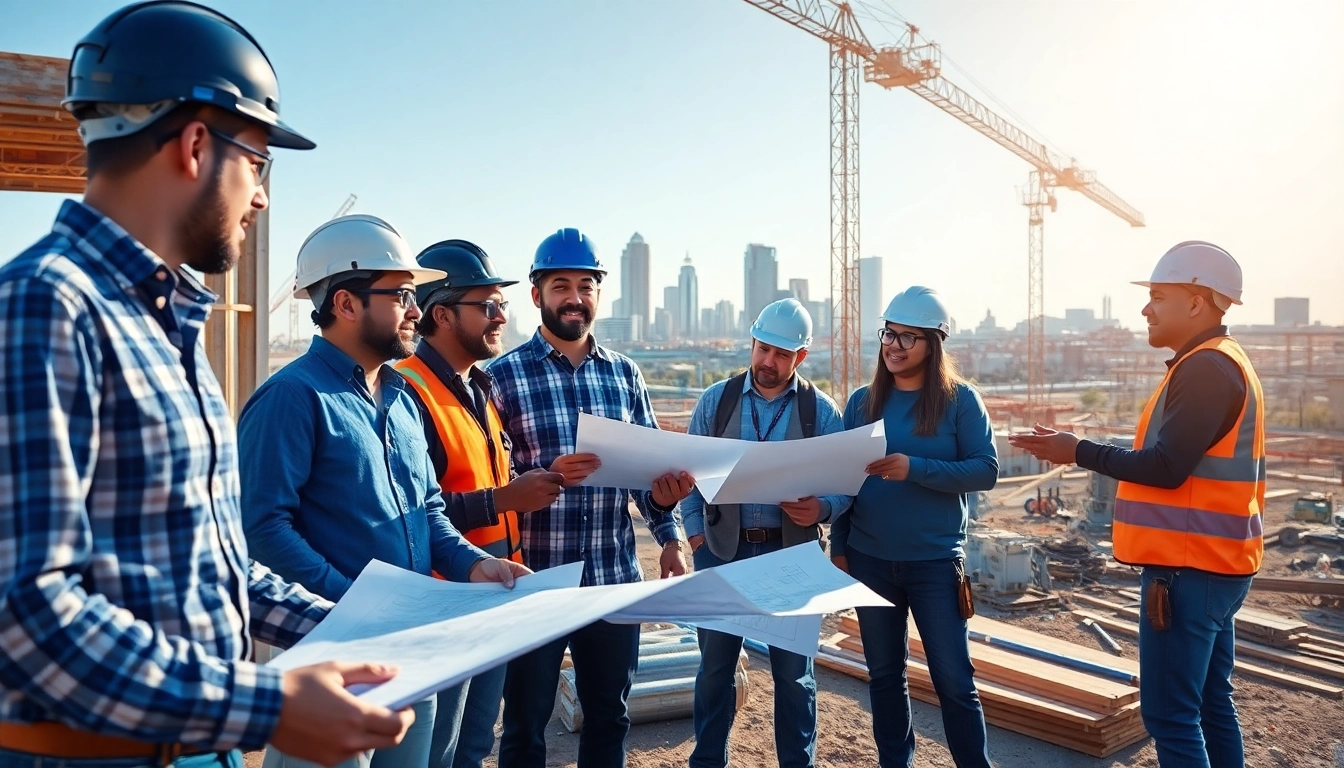
Understanding Austin Construction Industry Trends
Current Market Insights on Austin Construction
The Austin construction industry is witnessing a notable transformation driven by population growth and urbanization. As one of the fastest-growing cities in the United States, Austin has seen a surge in demand for commercial, residential, and infrastructure projects. This environment creates a diverse landscape for construction opportunities, as developers and contractors adapt to new challenges and consumer needs.
According to recent data, new residential permits in Austin have reached all-time highs, signaling robust activity in homebuilding. The commercial sector is also flourishing with increased investments in retail, office spaces, and mixed-use developments. As a result, the construction workforce is expanding, requiring skilled laborers to meet the rising project demands.
Impact of Economic Factors on Austin Construction
The Austin construction market is heavily impacted by various economic factors, including interest rates, material costs, and employment rates. Low-interest rates have encouraged home-buyers and investors to engage in new construction as financing becomes more accessible. Conversely, fluctuations in material costs, particularly for essential resources like lumber and steel, can lead to budget overruns if they spike unexpectedly.
Austin’s vibrant job market continues to attract new residents, further fueling housing demand. However, economic uncertainty, such as inflation trends or national economic shifts, can create ripple effects, influencing construction spending and project timelines. Effective risk management strategies are thus essential for stakeholders in the industry.
Innovations Driving Change in Austin Construction
Technological innovations play a crucial role in shaping the Austin construction landscape. The integration of Building Information Modeling (BIM), drones, and prefabrication techniques have improved project efficiency and reduced costs significantly. Contractors are now employing drones for site surveys, offering real-time data collection that enhances decision-making processes.
Sustainability is another key focus, propelling the adoption of green building materials and energy-efficient designs. Innovations in construction technology are not only streamlining processes but also aligning with Austin’s commitment to environmental sustainability. As a result, many construction firms are now prioritizing LEED certifications and eco-friendly practices in their projects.
Key Players in Austin Construction Market
Identifying Major Firms in Austin Construction
The Austin construction market features numerous key players ranging from small local contractors to large multinational firms. Each of these entities contributes to the landscape by providing various services, including general contracting, specialized trades, and project management. Collaboration among these firms varies based on project scale and complexity.
Major players in the region bring expertise in specific areas, such as residential development, commercial construction, and infrastructure projects. Many of these companies have strong ties to the local community, which not only enhances their reputation but also supports the regional economy through job creation.
Role of Local Government in Austin Construction
Local government policies significantly influence the construction landscape in Austin. Regulatory frameworks governing zoning, permits, and inspections must be navigated carefully by construction firms. Active government engagement ensures that projects comply with safety standards, sustainable practices, and community needs.
Moreover, city initiatives aimed at infrastructure enhancement support industry growth. Investments in public transport, urban development, and community amenities create a favorable environment for construction projects that benefit both the public and private sectors.
Community Engagement in Austin Construction Projects
Community engagement is pivotal in the Austin construction sector. Developers increasingly prioritize transparency and stakeholder input, ensuring that projects meet local expectations and cultural values. Public forums, workshops, and feedback sessions are commonly organized to gather insights and address concerns from residents.
Such engagement fosters a positive relationship between construction firms and the communities in which they operate. Incorporating community feedback not only enhances project acceptance but can also lead to innovative solutions that benefit all involved parties.
Challenges Facing Austin Construction Projects
Labor Shortages in Austin Construction
Despite robust growth, the Austin construction industry faces significant labor shortages. A combination of factors, including increased demand for skilled workers and a lack of training programs, contributes to this challenge. As projects multiply, the need for qualified labor escalates, creating competition among firms to attract and retain talent.
Strategies to mitigate these shortages include investing in training and apprenticeship programs that educate newcomers and enhance the skills of existing workers. Firms are also looking at job automation and technology to reduce reliance on manual labor, thus improving productivity in the face of labor constraints.
Regulatory Hurdles Affecting Austin Construction
Navigating the regulatory landscape is often a hurdle for construction projects in Austin. The complex permitting process can lead to delays and increased costs, particularly for projects facing zoning changes or special permits. Developers and contractors must stay informed about zoning laws, environmental restrictions, and safety regulations to minimize complications.
To overcome these hurdles, many firms engage with local government and planning agencies early in the development process. This proactive approach ensures compliance and can streamline permissions, ultimately reducing the risk of project delays.
Environmental Considerations in Austin Construction
Environmental sustainability has risen to the forefront of construction considerations in Austin. Projects must now adhere to stricter environmental regulations, requiring assessments of ecological impacts and sustainability practices. From reducing waste in construction processes to implementing renewable energy sources, developers must prioritize environmental stewardship.
Austin’s unique ecosystems often necessitate thoughtful design and construction techniques that minimize disruption. As environmental awareness grows among consumers, firms that prioritize eco-friendly practices not only comply with regulations but can also enhance their market competitiveness.
Best Practices for Effective Austin Construction
Safety Protocols in Austin Construction
Implementing effective safety protocols is vital in any construction environment. The Austin construction industry places a premium on worker safety and adherence to OSHA guidelines. Firms must cultivate a safety-first culture through regular training sessions, safety audits, and the use of advanced safety equipment.
To reinforce these practices, employing digital tools, such as safety management software, can aid in monitoring compliance and tracking safety performance metrics. Incident reporting systems also help analyze and learn from any accidents, allowing firms to continuously improve their safety standards.
Sustainable Practices for Austin Construction
Sustainability in construction is not just an option; it has become a necessity in Austin. Companies are adopting sustainable practices that include waste recycling, energy-efficient designs, and the use of sustainable materials. Incorporating these practices not only meets regulatory demands but also appeals to environmentally conscious clients.
Moreover, obtaining certifications, such as LEED, can elevate firm credibility and attract more projects. As sustainability initiatives expand, firms that proactively engage in eco-friendly practices will likely thrive in the competitive Austin construction market.
Project Management Tips for Austin Construction Success
Effective project management is essential for the successful completion of construction projects in Austin. Key elements include setting clear project scopes, defining timelines, and establishing budgets upfront. Utilizing project management software can facilitate communication and enhance collaboration among team members.
Conducting regular project reviews helps identify challenges early on and enables timely interventions to keep projects on track. Furthermore, building strong relationships with suppliers and subcontractors can lead to more reliable scheduling and resource allocation.
Future Outlook for Austin Construction Sector
Predicting Growth Areas in Austin Construction
As the city continues to grow, several areas within the Austin construction sector show promising growth potential. Residential construction will likely expand to accommodate the influx of new residents, particularly in up-and-coming neighborhoods. Additionally, urban infill projects are gaining traction as developers seek to utilize existing land more efficiently.
The commercial sector is also expected to adapt, with more companies opting for flexible workspaces that cater to remote work trends. Infrastructure investments will drive demand, particularly in transportation and public facilities, aligning with the city’s long-term goals for urban development.
Technological Advancements Affecting Austin Construction
Technological advancements will profoundly shape the future of Austin construction. Embracing technologies like Artificial Intelligence (AI), Virtual Reality (VR), and robotics can lead to unprecedented efficiencies. AI-powered analytics can enhance decision-making, while VR can act as a powerful tool for visualizing projects before actual construction begins.
Moreover, smart building technologies are becoming more prevalent as users demand greater control over energy consumption and security measures. As these technologies continue evolving, they will provide new avenues for innovation in construction methodologies.
Long-Term Vision for Austin Construction
Looking ahead, the long-term vision for Austin’s construction sector focuses on sustainable development and community enhancement. By integrating green building practices and fostering community engagement in project planning, the industry aims to create spaces that support both economic growth and quality of life for residents.
The future of Austin construction will be characterized by resiliency and adaptability, as firms respond to changing market dynamics and societal expectations. With a strong commitment to innovation and sustainability, the landscape will evolve to meet the needs of a growing and diverse population, ensuring Austin remains a vibrant city for generations to come.



More Stories
Understanding Grants and Pre-Post Award Compliance for Improved Program Management
Understanding Grants and Pre-Post Award Compliance: Essential Steps for Success
Enhancing Your Online Presence with Edmonton SEO Strategies