
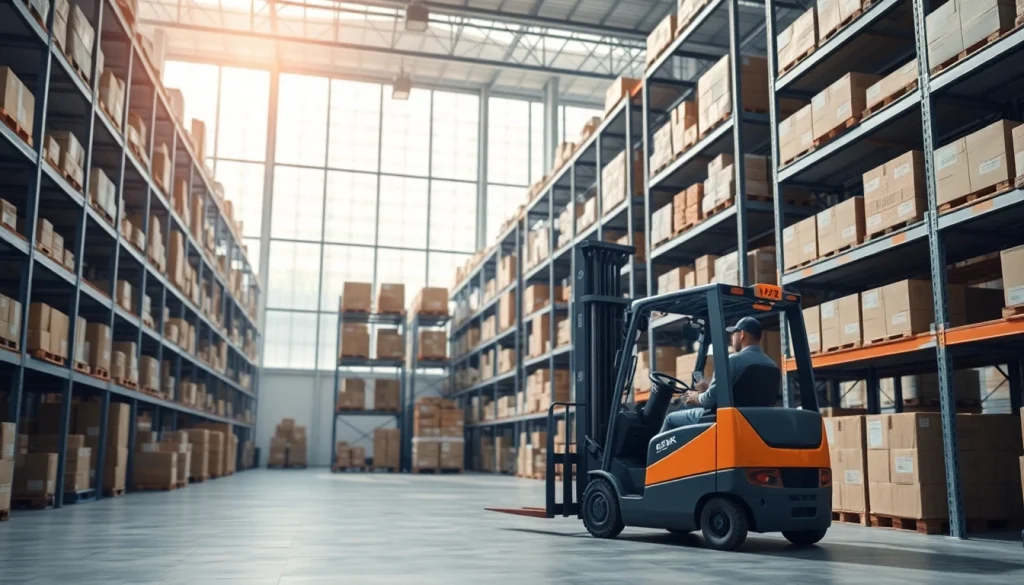
Understanding the Basics of Warehouse Management
A warehouse serves as a critical backbone for supply chains around the world. Defined as a facility primarily designed for storing goods, warehouses accommodate various functions that enable efficient inventory management and distribution processes. This article delves deeper into the intricacies of warehouse operations, providing insights into best practices, technological advancements, and performance metrics. Explore the world of warehousing to enhance your understanding of this essential industry.
Defining Warehouse Operations
At its core, warehouse operations involve a systematic approach to the receiving, storage, and distribution of products. These facilities are strategically located to optimize logistics efficiency and minimize transportation costs. Key elements of warehouse operations include:
- Receiving: This is the initial phase where goods arrive and are unloaded, inspected, and logged into the inventory system.
- Storage: Proper storage methods (racking, shelving, or bulk storage) are pivotal for maintaining inventory control and ensuring product safety.
- Picking: Once orders are processed, items are picked from their locations and prepared for shipment.
- Shipping: The final stage where packed products are dispatched to customers or retailers.
Each process must be executed efficiently to maintain the flow of goods, which is why warehouse management practices continuously evolve to ensure optimal operations.
Key Functions of a Warehouse
Modern warehouses serve multiple purposes that go beyond mere storage. The key functions of a warehouse can be classified into several categories:
- Inventory Management: Effective stock management ensures that an adequate quantity of products is available to meet demand without incurring excess costs.
- Order Fulfillment: Meeting customer expectations through timely order processing and delivery is critical; warehouses play an essential role in this.
- Returns Processing: Managing returns efficiently can enhance customer satisfaction and provide valuable insights for improving service.
- Value-Added Services: Many warehouses offer services such as packaging, labeling, and assembly to enhance the final product before delivery.
By understanding these functions, managers can implement strategies that align with their operational goals and customer expectations.
Types of Warehouses and Their Uses
Various types of warehouses cater to different industries’ needs. Here’s a breakdown of some common warehouse types:
- Private Warehouses: Owned by companies to store their products, these warehouses offer significant control over inventory and operations.
- Public Warehouses: Operated as independent businesses, these facilities provide storage space to multiple clients, making them ideal for businesses needing temporary storage.
- Distribution Centers: These warehouses focus on the rapid movement of goods and are typically involved in retail supply chains. They prioritize quick response times to demand fluctuations.
- Automated Warehouses: Employing robotics and automated systems, these warehouses enhance efficiency and accuracy, particularly for high-volume operations.
Choosing the right type of warehouse can significantly influence logistics efficiency, costs, and service levels.
Implementing Best Practices for Warehouse Efficiency
Efficiency is paramount in warehouse management, where small improvements can yield significant gains. Let’s look at effective best practices to enhance warehouse performance.
Warehouse Layout and Design Considerations
The layout of a warehouse plays an essential role in operational efficiency. A well-designed warehouse can minimize travel time, reduce bottlenecks, and optimize storage capacity. Consider the following key elements when designing your warehouse layout:
- Flow Design: Implement a logical flow that follows the path of goods from receiving to shipping, minimizing the need to cross over paths.
- Space Utilization: Use vertical space efficiently, with high shelving for less frequently accessed items and lower shelving for fast-moving inventory.
- Technology Integration: Plan for technology implementations, such as automated picking systems or inventory management software, to streamline processes.
Moreover, regularly reviewing and adjusting the warehouse layout as inventory types and volumes change is crucial for maintaining efficiency.
Inventory Management Strategies for Warehouses
Effective inventory management is foundational to successful warehouse operations. Key strategies include:
- ABC Analysis: Classify inventory into three categories (A, B, C) based on their importance and usage frequency, allowing focused management on critical items.
- Just-In-Time (JIT) Inventory: This strategy minimizes inventory holding costs by aligning order arrivals with actual production schedules.
- Cycle Counting: Regularly verifying the accuracy of inventory records prevents discrepancies and maintains data integrity.
Implementing these strategies can significantly reduce costs and enhance service levels by ensuring the right products are available when needed.
Vertical Storage Solutions and Automation Tools
As the demand for efficient warehousing grows, so does the necessity to incorporate vertical storage solutions and automation tools. Consider the following:
- Vertical Racking Systems: Maximizing vertical space can reduce the floor area needed for storage, freeing up room for other operations.
- Automated Guided Vehicles (AGVs): These robots can transport goods within the warehouse, enhancing workflow and reducing manual labor costs.
- Automated Storage and Retrieval Systems (AS/RS): These systems allow items to be automatically stored and retrieved, minimizing time spent on manual retrieval.
By adopting these technologies, warehouses can achieve higher productivity levels, faster order fulfillment, and improved accuracy in stock management.
Technology’s Role in Modern Warehousing
The modern warehouse environment is heavily influenced by technological advancements. Here, we explore the essential tech tools that transform warehouse operations.
Warehouse Management Systems (WMS) Overview
A Warehouse Management System (WMS) is a software solution that automates various warehouse operations, from tracking inventory to managing order fulfillment:
- Inventory Tracking: WMS helps maintain real-time inventory levels, facilitating accurate order processing and reducing stock discrepancies.
- Order Management: This system streamlines order processing by automating tasks such as order picking, packing, and shipping.
- Reporting and Analytics: With WMS, managers can access detailed reports for actionable insights into inventory performance, labor utilization, and order accuracy.
Investing in a robust WMS can drastically improve operational efficiency and customer satisfaction in the warehouse.
Integrating Automation in Warehouse Operations
Automation is revolutionizing the way warehouses operate, leading to improvements across various facets, including:
- Reduced Labor Costs: Automated systems can reduce the dependency on manual labor for repetitive tasks, allowing staff to focus on higher-value activities.
- Enhanced Inventory Accuracy: Automation tools improve picking accuracy and reduce human error, leading to fewer discrepancies and returns.
- Increased Throughput: Automated systems often operate faster than human workers, which can significantly boost production rates and order fulfillment times.
However, successful integration requires a clear strategy that includes thorough training and support for warehouse staff.
Data Analytics for Inventory Optimization
Data-driven decision-making has become a cornerstone of effective warehouse management. Key approaches include:
- Demand Forecasting: Leveraging historical data and market trends to predict future inventory needs allows warehouses to plan effectively.
- Performance Metrics Analysis: Regularly analyzing KPIs, such as order fulfillment rates and shipping accuracy, helps identify areas for improvement.
- Supply Chain Visibility: Utilizing data analytics to gain insights into the entire supply chain facilitates proactive problem-solving and efficiency enhancements.
By embracing data analytics, warehouses can optimize operations, reduce costs, and improve overall service quality.
Challenges Faced by Warehouse Operations
Despite the advantages of modern warehousing, several challenges can arise. Let’s take a closer look at these hurdles and potential solutions.
Common Issues in Warehouse Management
Common challenges encountered in warehouse operations include:
- Inefficient Processes: Overwhelming manual processes can lead to errors, delays, and increased operational costs.
- Inadequate Training: Poorly trained staff may struggle with new technologies and processes, leading to inefficiencies and heightened safety risks.
- Seasonal Demand Fluctuations: Variations in order volumes can strain resources and disrupt routines, especially during peak seasons.
Mitigating these challenges requires a proactive management approach, investments in employee training, and the continuous pursuit of process improvements.
Addressing Labor Shortages in Warehousing
The warehousing sector often faces labor shortages due to high turnover rates and competitive job markets. Addressing this issue involves:
- Improving Workplace Conditions: Creating a positive and safe work environment encourages staff retention and enhances productivity.
- Competitive Compensation Packages: Offering fair wages, benefits, and opportunities for advancement can make positions more attractive to potential employees.
- Investing in Automation: Employing technology can reduce reliance on manual labor while improving efficiency, helping to fill staff shortages with less effort.
By prioritizing workforce engagement and development, warehouses can effectively combat labor shortages.
Regulatory Compliance and Safety in Warehouses
Maintaining compliance with industry regulations and implementing safety protocols is crucial for minimizing workplace accidents and liabilities. Strategies include:
- Regular Training: Ongoing safety training ensures all staff are knowledgeable about best practices and emergency protocols.
- Periodic Inspections: Conducting routine safety audits helps identify potential hazards and compliance gaps, promoting a safer work environment.
- Documenting Procedures: Establishing clear policies and documents for compliance and safety ensures workers understand their responsibilities.
By fostering a culture of safety and compliance, warehouses can protect both their employees and their bottom line.
Measuring Warehouse Performance Metrics
Evaluating warehouse performance is essential for continuous improvement. Establishing and tracking the right performance metrics allows managers to enhance efficiency and effectiveness. Here are some metrics to focus on:
Key Performance Indicators (KPIs) for Warehouses
KPIs are vital for measuring warehouse performance. Essential KPIs include:
- Order Fulfillment Time: This metric tracks the time taken from order receipt to product shipment, essential for evaluating efficiency.
- Inventory Turnover Rate: This ratio indicates how often inventory is sold and replaced over a period, signifying inventory management effectiveness.
- Picking Accuracy: Measuring the percentage of orders picked accurately reflects operational effectiveness and customer satisfaction.
By regularly analyzing these KPIs, warehouses can pinpoint strengths and weaknesses in their operations.
Analyzing Productivity and Efficiency Rates
Productivity metrics can provide insights into labor performance and process efficiency. Key metrics and analysis techniques include:
- Labor Productivity: Measure output per labor hour to assess workforce efficiency and identify areas for improvement.
- Space Utilization Ratios: Calculate the percentage of warehouse space used effectively, guiding layout decisions.
- Cycle Time: Analyze the time taken to complete warehouse processes, such as receiving and shipping, to identify bottlenecks.
Consistently reviewing these metrics helps institute effective measures for enhancing productivity and efficiency.
Continuous Improvement Techniques in Warehousing
Continuous improvement is essential for keeping warehouse operations dynamic and responsive. Techniques to foster a culture of improvement include:
- Lean Methodology: This approach focuses on minimizing waste while maximizing productivity, often implemented through value-stream mapping.
- Kaizen: Emphasizing small, incremental changes, the Kaizen philosophy encourages workers at all levels to identify and propose process improvements.
- Employee Feedback Mechanisms: Establishing systems for staff to share insights and suggestions can lead to impactful operational enhancements.
By integrating these techniques, warehouses can create a culture rooted in continuous improvement, ultimately yielding higher efficiency and profitability.