



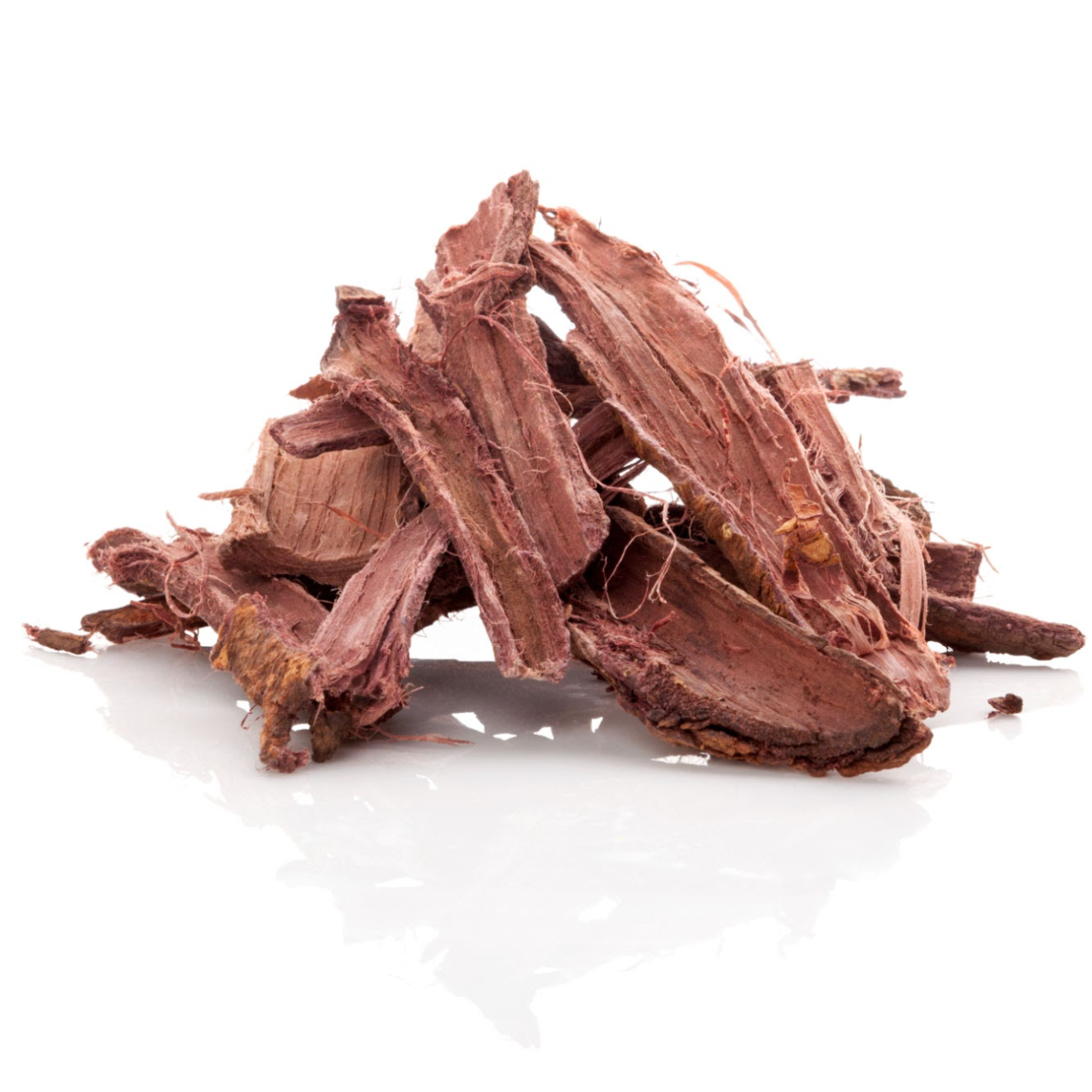
Traditional dyeing has always been a bridge between craft and culture, and Cutch dye remains one of the most respected natural colorants in this timeless art. Rooted in centuries-old practices, it delivers warm, earthy shades while honoring sustainable principles. Whether you are a beginner exploring heritage dye methods or an experienced artisan refining your palette, Cutch dye offers depth, versatility, and a connection to ancestral craft.
The Cultural Significance of Cutch Dye
A Heritage Colorant
For generations, artisans across South Asia have relied on Cutch dye for textile coloring. Its warm brown spectrum—ranging from soft tan to deep chocolate—has long been associated with handcrafted fabrics, ceremonial garments, and traditional décor.
Enduring Craftsmanship
The use of Cutch dye is more than a technique—it’s a cultural tradition. By incorporating it into hand-dyeing practices today, makers preserve a craft that celebrates natural materials and slower, more intentional creativity.
Understanding the Qualities of Cutch Dye
Naturally Tannin-Rich
One of the reasons traditional artists value Cutch dye is its high tannin content. This quality allows it to bond beautifully with plant fibers without relying heavily on synthetic additives.
Warm, Organic Shades
The signature earthy tones of Cutch dye feel inherently natural. These shades complement traditional weaves, hand-spun yarns, and rustic textiles that emphasize authenticity and simplicity.
Preparing Materials in Traditional Style
Scouring with Care
Traditional dyeing begins with thorough preparation. Fabrics must be fully cleaned to allow Cutch dye to penetrate evenly. This step ensures consistent, long-lasting color.
Mordanting for Strength
Although Cutch dye is naturally tannin-rich, mordants such as alum or iron help lock in the color. Iron, in particular, has long been used to deepen traditional browns into rich, earthy tones.
Creating a Traditional Cutch Dye Bath
Slow Dissolving and Heating
Patience is essential in traditional dyeing. The process begins by slowly dissolving Cutch dye extract in warm water. Artisans heat the mixture gradually, allowing the dye to release fully and evenly.
Building Color Through Time
Traditional methods often rely on long soak times. Fabrics rest in the Cutch dye bath for extended periods, creating deep, multilayered shades that reflect cultural craftsmanship.
Historic Techniques That Use Cutch Dye
Immersion Dyeing
One of the oldest methods, immersion dyeing produces solid, warm tones that are ideal for garments, shawls, and handwoven cloth. Cutch dye responds especially well to this technique.
Block Printing and Pattern Dyeing
In many traditional crafts, Cutch dye is thickened for printing intricate designs. This method is still celebrated today in heritage textile centers known for hand-carved wooden blocks and detailed motifs.
Overdyeing for Cultural Palettes
Artisans historically layered colors to produce unique combinations. When paired with indigo or madder, Cutch dye creates classic earth-and-jewel combinations found in regional textiles.
Traditional Craft Projects Perfect for Cutch Dye
Handloom Fabrics
Woven cotton, khadi, or handspun yarns take on a timeless character when treated with Cutch dye, making them perfect for artisan shawls, dupattas, and heritage garments.
Cultural Décor Textiles
Table covers, wall hangings, and ceremonial fabrics dyed with Cutch dye evoke warmth and authenticity—qualities treasured in traditional homes.
Folk and Tribal Art
Many communities use natural dyes in handcrafted items such as woven baskets, embroidered pieces, and handstitched textiles. Cutch dye brings earthy harmony to these works of art.
Caring for Traditionally Dyed Fabrics
To honor the craft, naturally dyed fabrics should be washed gently in cool water with mild soap. Avoid long sun exposure to keep Cutch dye tones rich and warm. Proper care preserves the artistry and cultural value of each piece.
Conclusion
Traditional dyeing is a celebration of history, artistry, and nature—and Cutch dye is at the heart of this enduring craft. From its rich cultural roots to its warm, organic color palette, it continues to inspire artisans who value authenticity and heritage. By working with Cutch dye, makers not only produce beautiful textiles but also keep centuries-old craftsmanship alive.


More Stories
CSM Fiberglass Mat for High-Quality Lamination Projects
Sonni Duschkabine – Ideal für kleine und große Bäder
いいね購入を活用してエンゲージメントを強化する方法