



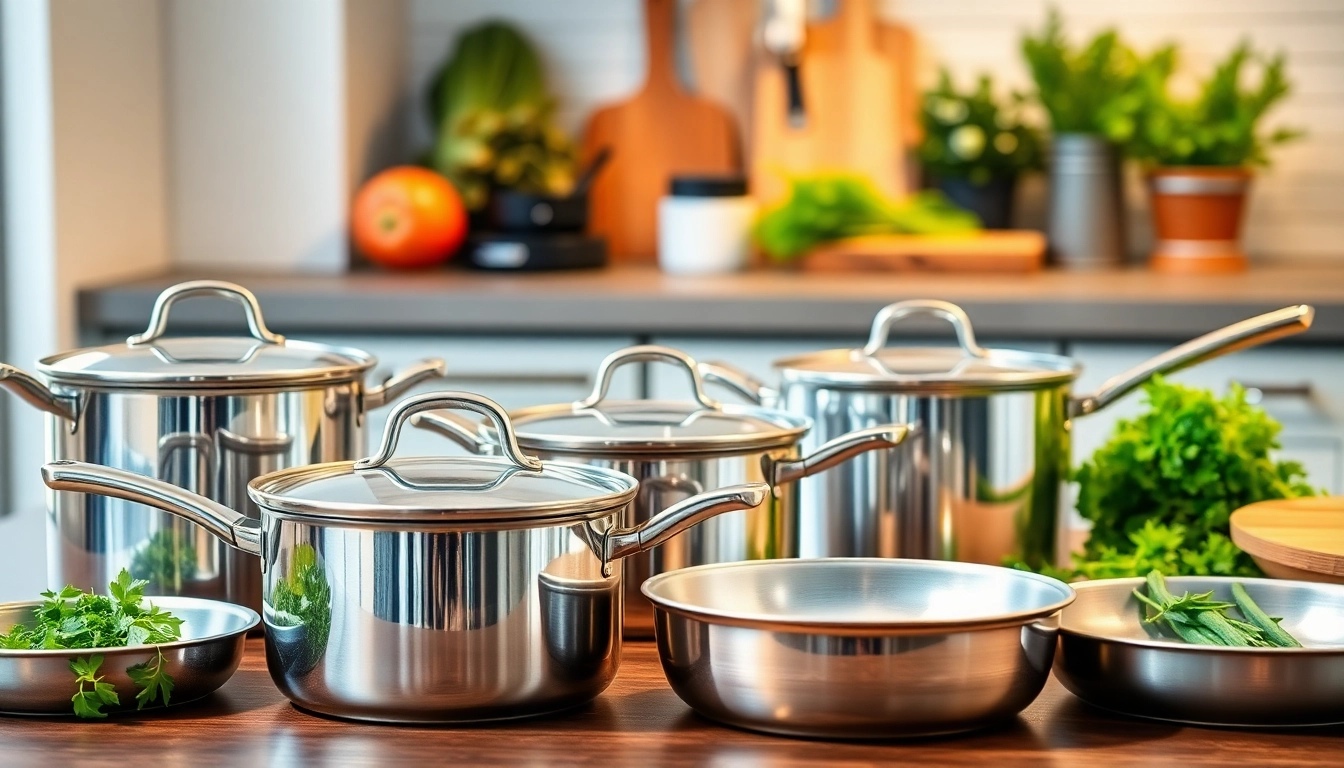
Understanding Cookware: Types and Material Options
Cookware is one of the essential tools in any kitchen and plays a pivotal role in how food is prepared. Choosing the right cookware not only affects the cooking experience but also influences the taste and texture of the food. It’s important to understand the various types of cookware available and their unique features. Here, we explore the different materials and types of cookware, highlighting their benefits, uses, and recommendations for specific cooking needs. Moreover, selecting the right cookware will enhance your culinary endeavors.
1. Non-Stick Cookware: Benefits and Uses
Non-stick cookware has gained immense popularity for its convenience and ease of use. It allows for cooking with less oil and facilitates effortless food release, making it an attractive option for health-conscious individuals and those seeking a hassle-free cooking process.
Some benefits of non-stick cookware include:
- Healthier Cooking: The ability to cook with minimal oil or fat.
- Easy Cleanup: Food residue does not cling to the surface, requiring less scrubbing.
- Even Heat Distribution: Non-stick surfaces can help foods cook evenly, reducing the likelihood of burning.
Non-stick cookware is ideal for delicate foods, such as eggs, pancakes, and fish, which are prone to sticking. However, it is essential to use utensils that won’t scratch the surface, like silicone or wooden spoons. Always check your non-stick cookware for signs of degradation, as damaged coatings can release harmful chemicals.
2. Stainless Steel Cookware: Durability and Safety
Stainless steel cookware is a staple in many kitchens due to its durability and resistance to rust and corrosion. It is renowned for its ability to withstand high temperatures, making it suitable for various cooking methods such as searing, browning, and deglazing.
Key advantages include:
- Longevity: Stainless steel is resistant to the wear and tear of daily cooking, ensuring a long lifespan.
- Non-Reactive: It won’t react with acidic or alkaline foods, preserving the flavor and integrity of your dishes.
- Versatile Usage: Can be used on all heat sources, including induction cooktops.
For best results, choose cookware with heavy bases that can distribute heat evenly. Stainless steel enjoys popularity among professional chefs for its reliability and performance across a wide array of cooking tasks.
3. Cast Iron Cookware: Heat Retention and Flavor
Cast iron cookware is celebrated for its exceptional heat retention and even heating properties. It is not only robust and heavy-duty but also provides a unique flavor profile to food, particularly when seasoned well.
Benefits of cast iron include:
- Superior Heat Retention: Ideal for slow cooking and frying, as it maintains temperature exceptionally well.
- Flavor Enhancement: Seasoned cast iron pans develop a natural non-stick surface and impart a unique flavor to cooked food.
- Versatile Cooking: Can be used on the stovetop, in the oven, or over an open flame.
However, cast iron requires special care, including regular seasoning to maintain its non-stick properties and prevent rust. It’s perfect for items such as cornbread, steak, and deep-fried recipes, allowing for a restaurant-quality finish.
Choosing the Right Cookware for Your Needs
Selecting the right cookware depends largely on your cooking style, frequency, and preferences. Here are several factors to consider when determining which cookware is best suited to your context.
1. Assessing Your Cooking Style and Frequency
Your cooking style dictates the type of cookware that will best suit your needs. Casual cooks may prefer non-stick options for easy cleaning, while more dedicated chefs might choose stainless steel or cast iron for their versatility and durability. Think about the frequency of use as well; heavy-duty cookware might be essential for those who cook daily.
2. Matching Cookware to Your Heat Sources
Understanding your kitchen appliances is crucial in selecting the best cookware. For instance, not all materials work well with induction cooktops. Stainless steel and cast iron are generally compatible, while aluminum typically requires a magnetic base for induction. Ensure your preferred cookware matches your cooking environment to maximize performance.
3. Considerations for Price vs. Quality
Investing in quality cookware can be a significant financial commitment. However, spending a bit more initially may save money in the long run by providing better durability and performance. As a general rule, it is wise to purchase fewer high-quality pieces rather than many lower-quality ones. This practice not only enhances the cooking experience but also reduces waste and time spent in the kitchen.
Care and Maintenance of Your Cookware
1. Cleaning Different Types of Cookware
Each type of cookware has distinct cleaning needs:
- Non-Stick: Use a soft sponge or cloth and avoid abrasive cleaners to prevent scratching.
- Stainless Steel: Soak in warm soapy water to loosen food particles before scrubbing with a non-abrasive cloth.
- Cast Iron: Clean with hot water and a brush, avoiding soap; re-season regularly to maintain its non-stick surface.
2. Preventing Damage and Extending Lifespan
To protect your cookware, consider these preventive measures:
- Avoid drastic temperature changes that can warp your metal cookware.
- Store pots and pans with padding between them to prevent scratches.
- Periodically check non-stick pans for damage and replace them when necessary.
3. When to Replace Your Cookware
It’s important to replace cookware when they show significant signs of wear. For non-stick cookware, if food starts to stick despite proper cleaning and usage, it’s time for a replacement. Stainless steel may last longer, but pitting or warping are signals that it needs replacing. Regularly inspecting your cookware ensures safety and quality in your cooking.
Popular Cookware Brands and Their Unique Offerings
The market is filled with numerous cookware brands, each offering unique features that cater to different cooking needs. Understanding these unique offerings can help you make informed purchasing decisions.
1. Innovative Features to Look For
Look for cookware that offers innovative features such as:
- Ergonomic Handles: Comfortable, heat-resistant handles enhance your cooking experience.
- Multi-layered Bases: Provide excellent heat distribution and durability.
- Compatibility: Ensure cookware is suitable for all heat sources, including induction, gas, and electric.
2. Price Ranges and Value Analysis
Cookware prices can range from budget-friendly options to premium products. Consider the features that matter most to you and assess the overall value. Sometimes, a higher price point equates to better performance and longer-lasting materials.
3. User Reviews and Experiences
Research user reviews and testimonials to get a sense of real-world experiences. Look for feedback on durability, ease of cleaning, and overall user satisfaction to help inform your choices.
FAQs About Cookware
1. What is the best material for cookware?
The best material depends on your cooking style. Stainless steel and cast iron are great for versatility and durability, while non-stick cookware is perfect for healthy, low-fat cooking.
2. How do I prevent food from sticking?
Use the right amount of oil, preheat your pan, and avoid overcrowding. Ensure non-stick surfaces are in good condition for optimal performance.
3. Can cookware be used on induction cooktops?
Yes, but ensure the cookware is compatible. Only magnetic metals like stainless steel and cast iron work on induction cooktops.
4. What should I look for in a cookware set?
Look for versatility in the set, including different pot sizes, materials suited for your cooking methods, and durable construction for longevity.
5. How often should I replace my cookware?
Replace cookware when you notice significant wear, such as warping, non-stick surfaces deteriorating, or health concerns related to materials.


More Stories
Why Vape Juice Depot is Your Premier Online Destination for Quality Vape Products
Elegant Whiskey Barrel Wedding Bands: A Unique Symbol of Love
Enhance Your Look with Sew in Weft Hair Extensions: Quality, Application, and Care