Understanding Different Types of Cookware
1.1 What is Cookware?
Cookware encompasses various pots, pans, and utensils used in preparing and cooking food. It serves as an essential tool in every kitchen, whether for everyday meals or gourmet dishes. From frying eggs to simmering sauces, the right cookware can greatly influence the cooking process and the final product. Investing in quality cookware is crucial for any cooking enthusiast or professional chef.
1.2 Common Materials Used
Cookware can be made from a variety of materials, each offering unique benefits and considerations:
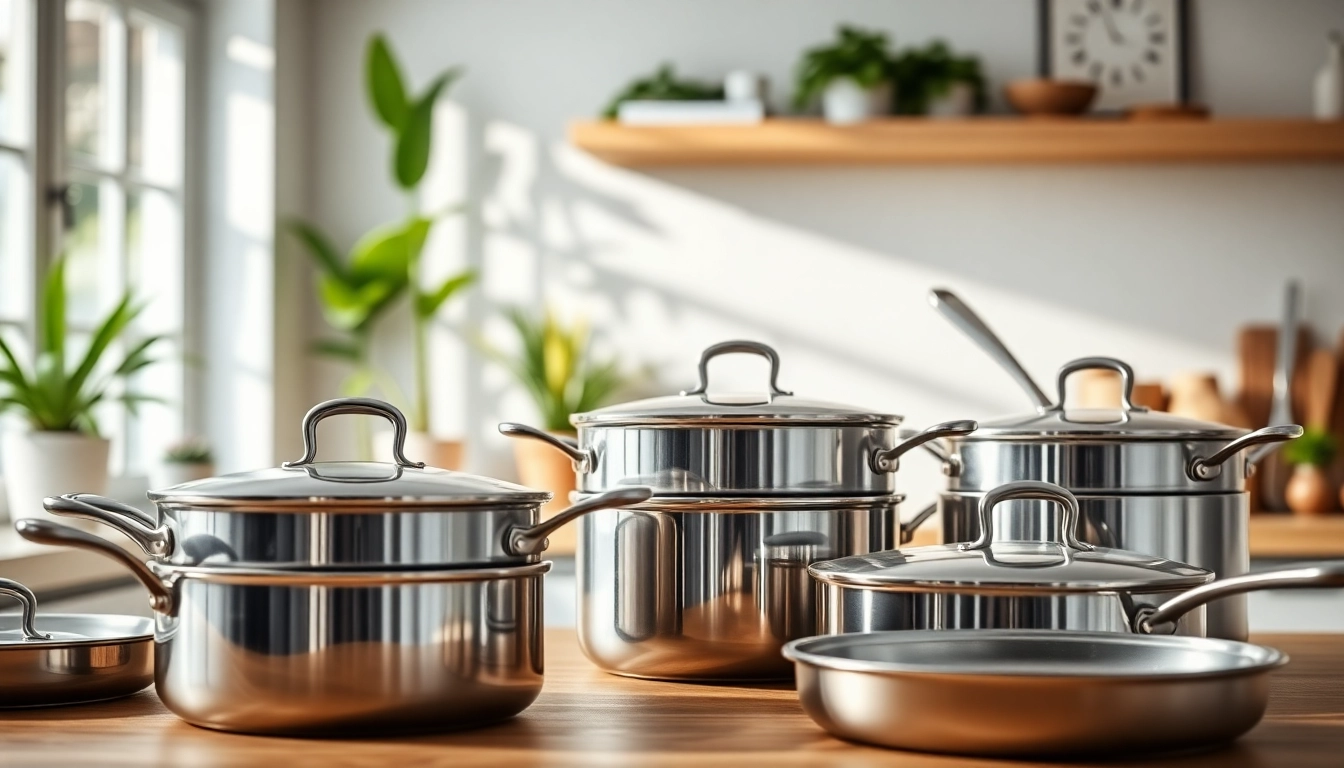
- Stainless Steel: Known for its durability and resistance to rust and corrosion. It is great for browning and braising but may require additional care to prevent sticking.
- Non-stick: Ideal for low-fat cooking, allowing food to slide out easily. However, care must be taken not to scratch the coating, and it may not be suitable for high-heat cooking.
- Cast Iron: Offers excellent heat retention and even cooking. It requires seasoning and careful cleaning but can last a lifetime when maintained properly.
- Carbon Steel: Similar properties to cast iron but lighter and develops a non-stick patina over time when seasoned correctly.
- Ceramic: Non-reactive and often colorful, ceramic cookware is great for baking and also provides good heat distribution.
1.3 Cookware Finish Options
The finish of cookware can impact both performance and appearance. Common finishes include:
- Polished: Enhances the aesthetic but may be prone to scratching.
- Matte: Offers a rustic look and can hide imperfections but may require more care to maintain its appearance.
- Enamel: Often seen on cast iron, it prevents rusting and allows for easy cleaning.
Benefits of Quality Cookware
2.1 Enhanced Cooking Performance
Quality cookware improves heat distribution, allowing for more even cooking and better tasting food. High-quality materials, such as stainless steel or cast iron, ensure that heat is retained and evenly distributed across the cooking surface. This helps prevent hot spots that can burn food, giving you more control and better final results.
2.2 Long-lasting Durability
Investing in good-quality cookware means that it will stand the test of time. Unlike cheaper options, which may warp or rust, quality cookware is designed to endure daily use. Many manufacturers even offer warranties, giving you peace of mind about your investment.
2.3 Healthier Cooking Options
Quality cookware helps in preparing healthier meals by preventing food from sticking without the need for excess oil or fats. For example, non-stick surfaces enable cooking with less fat, while items like cast iron can enhance iron levels in your diet when used regularly.
Selecting Cookware for Your Cooking Style
3.1 Cookware for Everyday Cooking
For daily cooking tasks, consider versatile pieces such as non-stick frying pans, stainless steel saucepans, and heavy-duty bakeware. These options accommodate a variety of dishes, from frying to baking, making them staples for home cooks.
3.2 Specialty Cookware Needs
Some culinary tasks require specialized cookware. A Dutch oven is excellent for slow cooking and braising, while a wok is ideal for stir-frying. Determine what types of dishes you enjoy making to choose the right specialty options.
3.3 Cookware for Professional Chefs
Professional chefs often require high-performance cookware that can withstand rigorous use. Look for durable, heavy-gauge materials that can handle high temperatures and frequent cleaning. Pieces like large sauté pans and a variety of pots are essential for professional cooking environments.
Care and Maintenance Tips
4.1 Cleaning Different Types of Cookware
Cleaning methods vary by material. For stainless steel, soaking in hot, soapy water can help remove stubborn stains. Non-stick should be wiped with a soft cloth and never scrubbed with abrasive materials. Cast iron needs to be cleaned with water and a soft brush, then dried immediately to prevent rust.
4.2 Storing Cookware Properly
To prolong the life of your cookware, store it properly. Stack lightweight items and use protective liners to prevent scratches. Hang pots and pans to save space and keep them easily accessible. Ensure lids are stored safely to prevent damage as well.
4.3 Identifying When to Replace Cookware
Signs of wear, such as scratches in non-stick surfaces or warping in stainless steel, indicate it's time to replace cookware. Additionally, if food consistently sticks despite proper care, it may be time for a new pan. Regularly assess your cookware to maintain safety and performance.
Frequently Asked Questions
5.1 What is the best material for cookware?
The best cookware material depends on your cooking style. Stainless steel is great for versatility, while non-stick is best for low-fat cooking.
5.2 How to ensure cookware lasts longer?
Clean cookware as recommended, avoid metal utensils on non-stick surfaces, and store properly to prolong lifespan.
5.3 Can I use metal utensils on non-stick cookware?
Using metal utensils on non-stick cookware is not advisable as it can scratch the coating, reducing its effectiveness.
5.4 What are the safest cookware options?
Stainless steel, cast iron, and ceramic cookware are often considered some of the safest options, containing no harmful chemicals.
5.5 Is expensive cookware worth the investment?
Investing in quality cookware tends to yield better cooking results, enhanced durability, and increased safety over time, making it a worthwhile investment.