Understanding Bed Bug Heat Treatment
What is Bed Bug Heat Treatment?
Bed bug heat treatment is a highly effective method of exterminating bed bugs and their eggs using elevated temperatures to eliminate these pests. This approach involves raising the ambient temperature in infested areas to a lethal level for the bed bugs, typically above 113°F (45°C), which is known to eradicate them in all life stages. Unlike traditional chemical treatments, heat treatments can penetrate into furniture, mattresses, and other hidden spaces where bed bugs may reside.
The process generally starts with a thorough inspection to determine the extent of the infestation. Once identified, specialized heaters are set up to systematically raise the temperature in the affected areas to a range that is lethal to bed bugs. This method not only focuses on immediate extermination but also ensures that even hidden eggs will be dealt with, leading to long-term effectiveness.
To learn more about the intricacies of this process, including its scientific basis and real-world applications, consider exploring the benefits of bed bug heat treatment.
How Does Heat Treatment Work?
Heat treatment operates under the principle that extreme temperatures can kill bed bugs effectively. The objective is to elevate the temperature in the affected areas quickly and uniformly. A typical heating process involves the following steps:
- Preparation: Initial preparation includes removing heat-sensitive items and ensuring the area is accessible. Technicians will also sometimes seal off the treatment area to improve heat retention.
- Heating: Specialized heaters are deployed to raise the temperature gradually. The target is often around 135°F to 145°F (57°C to 63°C) for a duration that ensures complete eradication.
- Monitoring: Temperature monitoring devices are strategically placed to ensure consistent heating throughout the treatment area, allowing technicians to adjust as necessary.
- Post-Treatment Verification: After the treatment, technicians will verify that the heat levels achieved were sufficient to eliminate the pests.
Benefits of Heat Treatment for Bed Bugs
Opting for bed bug heat treatment provides several distinct advantages:
- Comprehensive Elimination: It effectively kills all bed bug life stages, from eggs to adults, without leaving any survivors.
- Minimal Chemical Use: Heat treatments reduce reliance on chemical pesticides, making it an eco-friendly option for extermination.
- Fast Results: Treatments can typically be completed in a single day, offering immediate relief without lengthy wait periods.
- Non-Damaging: When performed correctly, heat treatments do not damage most household items, as opposed to chemical treatments that may require additional precautions.
Preparation for Bed Bug Heat Treatment
Steps to Prepare Your Home
Preparing your home for a bed bug heat treatment is necessary to ensure that the procedure is effective. Here are essential steps for preparation:
- Notify all household members about the impending treatment.
- Remove or safeguard any items that could be damaged by heat, including electronics, plants, or artwork.
- Empty closets and drawers in the affected rooms to allow heat to circulate freely.
- Wash all bedding, clothing, and other washables in hot water and dry them on high heat.
- Seal food items tightly to prevent heat exposure and contamination.
Important Items to Remove
During preparation for heat treatment, particular items should be removed or covered to maximize the treatment's effectiveness:
- Electronics: TVs, computers, and other sensitive electronics should be removed or covered to prevent potential damage.
- Plants: Remove houseplants and sensitive foliage to avoid heat-related harm.
- Flammable Items: Ensure that items such as matches, candles, and aerosol cans are safely stored away.
Safety Precautions During the Process
Ensuring safety during the heat treatment process is critical. Here are some precautions to consider:
- Ensure pets and people are not present in the home during treatment.
- Inform your heating technician of any areas of concern, such as places where sensitive items are stored.
- Follow all instructions provided by your pest control professional regarding preparation and safety.
During the Treatment Process
What to Expect During Bed Bug Heat Treatment
On the day of treatment, here's generally what to expect:
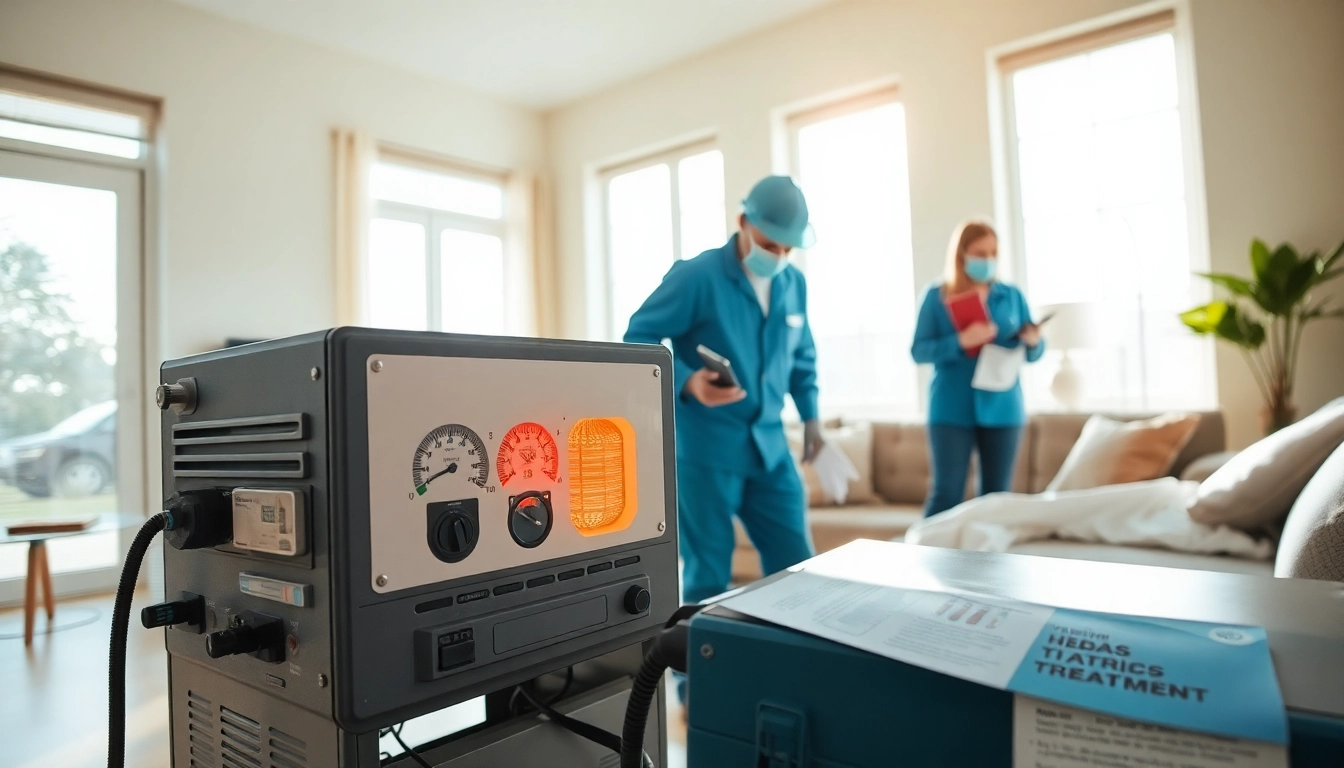
- The technicians will arrive and set up heating equipment.
- They will monitor temperature levels closely to ensure the target heat is achieved consistently.
- Expect a thorough process lasting several hours, depending on the severity of the infestation and the area being treated.
Monitoring and Adjustments
Throughout the treatment, technicians will utilize various monitoring tools to ensure the heat penetrates all critical areas, making adjustments as necessary. This may include:
- Positioning additional heaters in areas that are slow to reach the target temperature.
- Using thermal imaging equipment to confirm temperature distribution.
Common Concerns Addressed
Many homeowners have concerns about heat treatment. Here are some common queries addressed:
- Will it damage my belongings? Properly executed heat treatments do not typically harm belongings, including most furniture.
- What if my bed bugs don’t die? Successful treatments often require precise temperature and duration; if any issues arise, follow up may be necessary.
Post-Treatment Guidelines
Returning Home After Treatment
After treatment is complete, it’s crucial to wait for technicians to declare that it’s safe to re-enter your home. Once approved, consider these guidelines:
- Ventilate your home by opening windows and doors when possible.
- Inspect treated areas for signs of bed bugs and note any areas that might need further attention.
Signs of Successful Treatment
After the heat treatment, watch for signs indicating success:
- Fewer signs of bed bugs, including bites or visible insects.
- Increased comfort and reduced anxiety relating to pest presence.
When to Schedule Follow-Up Services
Follow-up treatments or inspections may be essential after the initial heat treatment. Schedule these if:
- Signs of bed bugs persist even after treatment.
- New infestations are suspected, particularly after traveling or acquiring second-hand items.
Frequently Asked Questions
Does heat treatment for bed bugs really work?
Yes, heat treatment is known to be highly effective, killing bed bugs and their eggs in a single session when applied properly.
What temperature is needed for bed bug heat treatment?
The lethal range for bed bugs is typically between 113°F (45°C) and 145°F (63°C), ensuring effective extermination.
How long does bed bug heat treatment take?
Generally, heat treatments can take several hours, depending on the severity of the infestation and the area’s size.
Will my furniture be damaged during heat treatment?
Mostly, properly performed heat treatments do not damage furniture, although sensitive items should be relocated or safeguarded.
Can I stay in my home during treatment?
No, it is advised that residents and pets vacate the premises during heat treatment for safety.