Understanding Steel Fabrication Basics
What is Steel Fabrication?
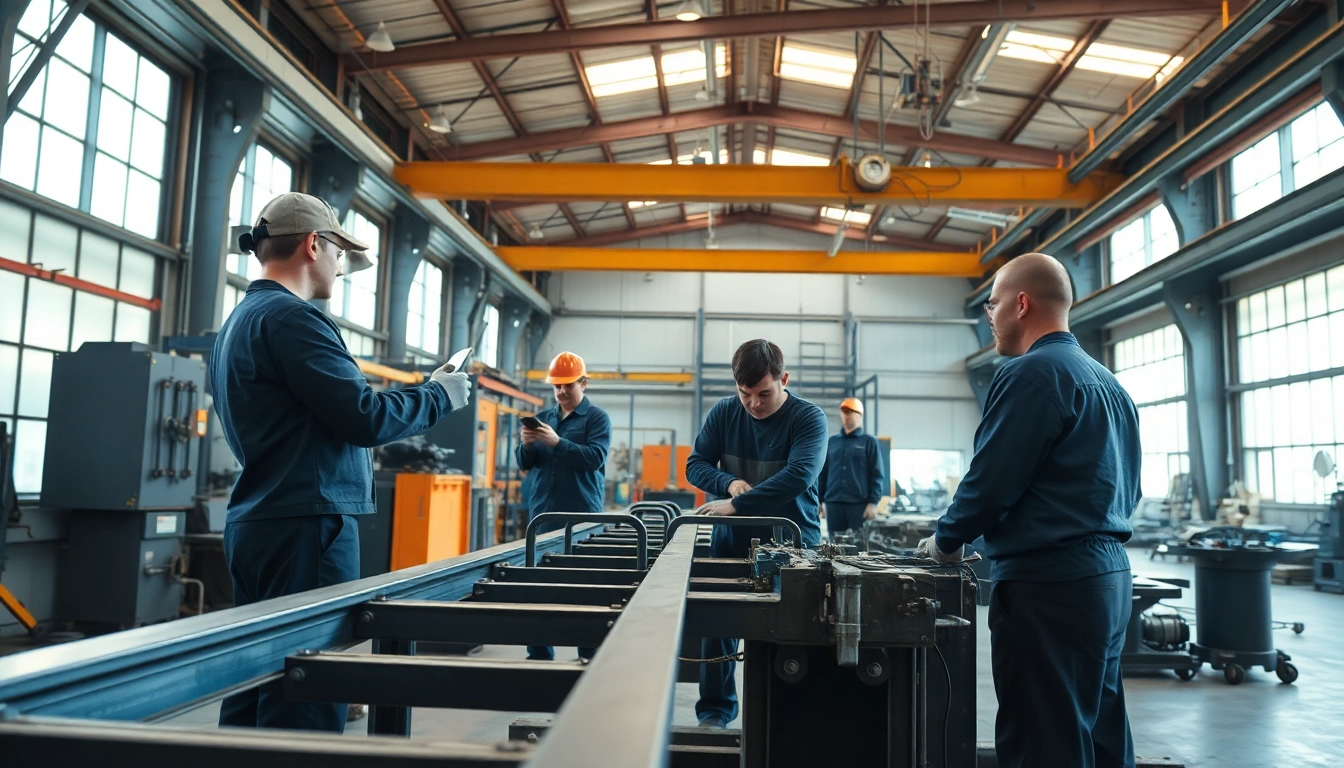
Steel fabrication is the process of constructing structural steel components through various methods and techniques. This vital industry enables the creation of structures that range from buildings to bridges, machinery, and more. In essence, a steel fabrication shop transforms raw steel into finished products that meet specific client requirements and industry standards. Understanding the core processes of steel fabrication is crucial for both businesses and professionals in the field.
Key Processes in Steel Fabrication
The steel fabrication process includes several key activities, each contributing to the overall outcome. These processes involve:
- Cutting: This is one of the first steps in fabrication, utilizing techniques such as shearing, sawing, plasma cutting, or laser cutting to shape the steel into manageable sizes and forms.
- Bending: Once cut, steel often needs to be bent or formed into specific shapes using tools like press brakes or tube benders. The precision in bending affects the strength and integrity of the final product.
- Welding: This process bonds steel pieces together, creating a single unit. Different welding methods, such as MIG, TIG, and stick welding, are used depending on the application and material type.
- Finishing: To enhance durability, components may undergo finishing processes that include painting, galvanizing, or powder coating, which protect against corrosion and environmental effects.
Importance of Quality in Steel Fabrication Shop
Quality control in a steel fabrication shop isn’t just a box to check; it’s the foundation upon which success is built. High-quality fabrication ensures structural integrity, safety, and long-term performance. Implementing rigorous QA/QC measures can help identify flaws early, reduce waste, and mitigate risks associated with structural failures. In an industry with potential safety ramifications, adherence to standards like ISO 9001 can facilitate trust and reliability for customers while enhancing the shop's reputation.
Choosing the Right Materials for Steel Fabrication
Types of Steel Used in Fabrication
The choice of steel type significantly affects durability, strength, and cost. Common types of steel used in fabrication include:
- Carbon Steel: Widely used due to its availability and cost-effectiveness, carbon steel can be used in various forms and grades, suited for general construction and structural applications.
- Stainless Steel: Known for its corrosion resistance, stainless steel is ideal for environments where moisture and corrosive elements are prevalent, such as in kitchens and laboratories.
- Alloy Steel: Combining various elements, alloy steels enhance performance characteristics for specific applications, making them valuable for high-stress environments.
Material Selection and Sourcing Strategies
Effective material selection starts with a clear understanding of the project requirements and constraints. Factors to consider during this stage include load-bearing capacities, environmental conditions, and aesthetic considerations. Building relationships with credible suppliers can ensure consistent material quality and availability. Additionally, shopping around for pricing without compromising quality can lead to significant cost savings.
Cost Implications of Different Materials
The material chosen plays a significant role in overall project costs. For example, while carbon steel may offer the lowest initial cost, stainless steel could provide long-term savings due to its durability and maintenance-free characteristics. It’s essential to perform a life-cycle cost analysis to determine the most economical material in relation to the project’s lifetime, thereby avoiding unanticipated future expenses.
Essential Tools and Equipment for a Steel Fabrication Shop
Types of Machinery Required
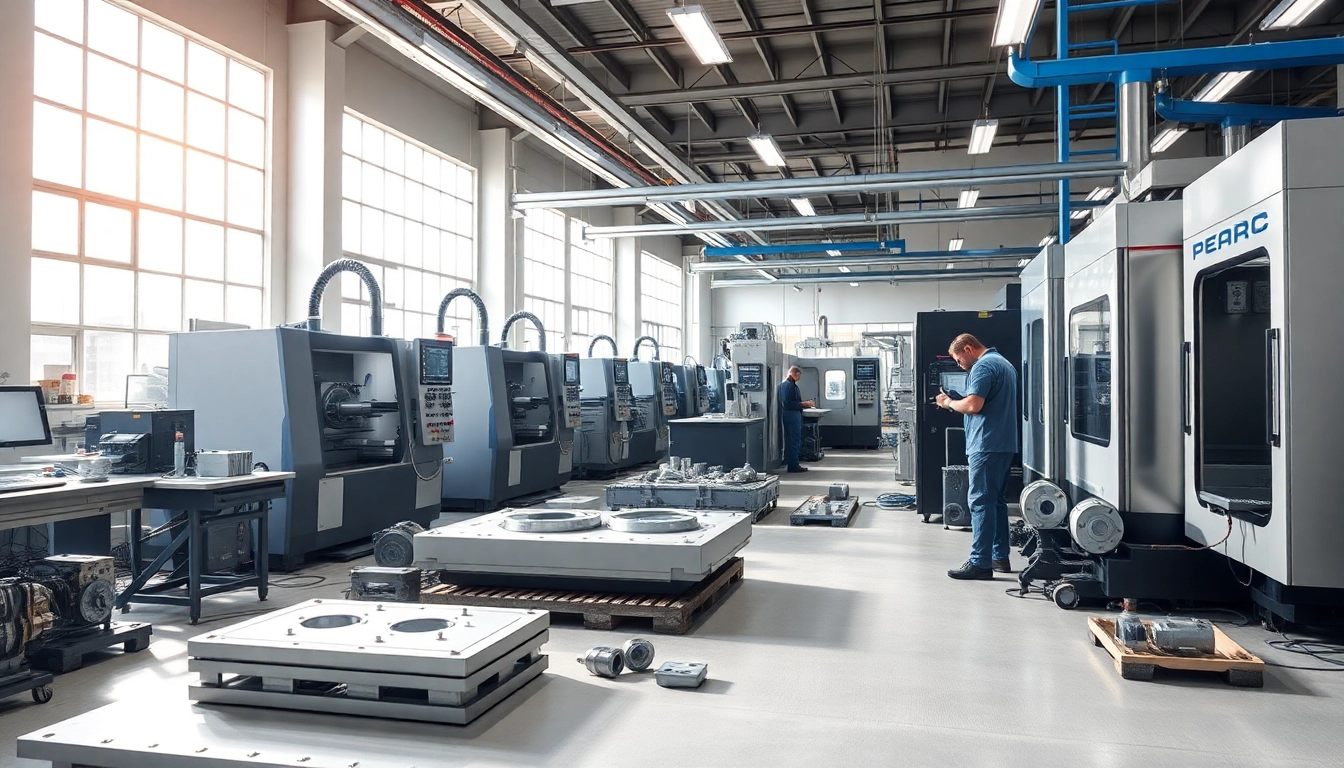
The machinery in a steel fabrication shop is critical for executing precise and efficient fabrication processes. Key equipment includes:
- Cutting Tools: Band saws, plasma cutters, and laser cutters allow for quick and accurate cutting of steel material.
- Bending Machines: Press brakes perform intricate bends, while roll formers can shape longer continuous sections of steel.
- Welding Equipment: MIG welders, TIG welders, and arc welding machines serve different applications based on steel thickness and types.
- Finishing Equipment: Simple and advanced coating machines help apply protective layers to your steel structures.
Safety Equipment for Steel Fabrication Shops
Safety must always be a priority in a steel fabrication environment. Key safety equipment includes:
- Protective Gear: Helmets, gloves, and safety glasses protect workers from flying debris and welding sparks.
- Ventilation Systems: Proper ventilation reduces exposure to harmful fumes and gases generated during processes like welding.
- Emergency Equipment: Fire extinguishers and first aid kits should be readily accessible to handle any workplace emergencies.
Investing in Technology and Automation
Automation and technology integration in steel fabrication can lead to increased efficiency and consistency. Technologies such as computer numerical control (CNC) machines enable precise cutting and shaping while significantly reducing human error. Additionally, implementing software solutions for project management can streamline operations, optimize workflows, and enhance communication across teams.
Best Practices for Steel Fabrication
Maintaining Quality Control Standards
Ensuring consistent quality in every build is paramount. Establishing a comprehensive quality management system, including regular inspections and testing, contributes to identifying defects before they progress to final assembly. Documenting procedures and having clear performance metrics will help maintain quality while delivering on customer expectations.
Efficient Workflow Management
A well-organized workflow is essential for maximizing efficiency in a steel fabrication shop. This can involve organizing the shop floor strategically to minimize movement and handling of materials or implementing lean principles to eliminate waste. Consideration of workstations and their arrangement can maximize production speed while ensuring safety and efficiency.
Employee Training and Skill Development
The highly technical nature of steel fabrication necessitates ongoing training and development for personnel. Investing in employee education not only improves morale but also leads to greater operational efficiency and safety. Offering training programs that cover both technological advancements and traditional skills ensures that staff remains adept and knowledgeable in their roles.
Future Trends in Steel Fabrication Industry
Emerging Technologies Shaping Steel Fabrication
The steel fabrication industry is rapidly evolving, with new technologies emerging continuously. Innovations such as additive manufacturing, or 3D printing, are beginning to make their mark, offering new capabilities in custom fabrication. Additionally, advancements in robotics and machine learning are changing how production lines operate, enabling highly precise manufacturing techniques.
Sustainability Practices in Steel Fabrication Shops
Sustainability is becoming increasingly important in every sector, including steel fabrication. Practices such as adopting energy-efficient machinery, implementing recycling programs for scrap materials, and utilizing materials with lower environmental impact are vital in reducing carbon footprints. Certifications like LEED also signify a commitment to sustainability, which can attract eco-conscious clients.
Market Opportunities and Challenges Ahead
While the steel fabrication market presents numerous opportunities, it also comes with its set of challenges. Economic fluctuations, trade tariffs, and raw material costs can significantly impact operations. However, by staying informed about industry trends and being adaptable, companies can leverage opportunities for growth, such as expanding into renewable energy projects or construction in emerging markets.