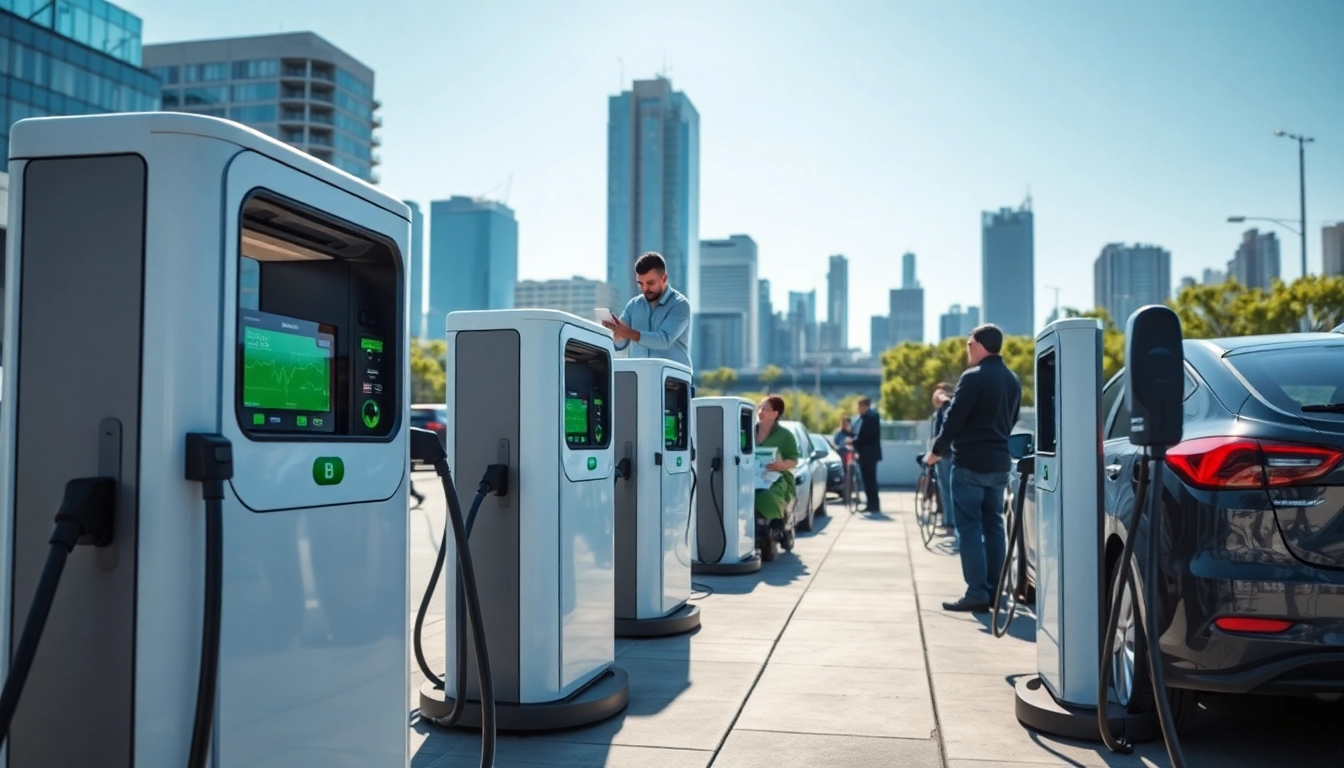
Understanding Commercial EV Charger Installation
What is Commercial EV Charger Installation?
Commercial EV charger installation refers to the process of setting up electric vehicle (EV) charging stations specifically for commercial use. This includes various types of chargers designed to efficiently recharge electric vehicles, catering to businesses such as retail stores, hotels, parking lots, and fleet operators. The installation involves several steps, from planning and site assessment to physical setup and safety checks. With the increase in EV adoption, installing commercial chargers has become essential for providing guests and employees with access to charging facilities.
Importance of EV Charging Stations
EV charging stations play a pivotal role in promoting sustainable transportation. The availability of chargers encourages more individuals and businesses to consider electric vehicles as viable options. Without sufficient charging infrastructure, the growth of electric vehicle initiatives may be stunted. Additionally, having EV chargers enhances a business's reputation as an environmentally conscious entity, potentially attracting more customers. Investing in commercial EV charger installation can lead to increased foot traffic and strengthen customer loyalty.
Different Types of Commercial Chargers
There are several types of commercial chargers available, tailored to meet various charging needs:
- Level 1 Chargers: These chargers use a standard electrical outlet and are slower, suitable for overnight charging or low-demand locations.
- Level 2 Chargers: Offering a faster charging solution, these chargers require a dedicated circuit and are ideal for commercial sites where vehicles stay for longer periods.
- DC Fast Chargers (Level 3): The quickest option, these chargers can recharge an EV in a fraction of the time needed for Level 1 or Level 2 chargers, making them suitable for high-traffic areas.
Cost Factors for Commercial EV Charger Installation
Typical Expenses Involved
The cost of installing commercial EV chargers can vary significantly based on several factors, including charger type, installation complexity, and site-specific needs. Typical costs can range from $6,000 to $15,000 or more, with Level 2 chargers usually positioned at the lower end of the spectrum, and DC fast chargers incurring higher expenses. Additional costs include electrical upgrades, site preparation, labor, and permits necessary for installation.
Cost Variations by Charger Type
When evaluating the cost of commercial charger installation, it's crucial to understand the pricing differences:
- Level 1 Chargers: Generally the least expensive option, installations can cost around $500 to $2,500.
- Level 2 Chargers: Installation typically costs between $2,500 and $10,000 depending on the specific requirements and electrical configurations needed.
- DC Fast Chargers: The most expensive, costing from $10,000 up to $100,000 or more, influenced by the infrastructure needed to support fast charging.
Financial Returns from Installation
The financial returns from investing in EV chargers extend beyond immediate sales. Charging stations can generate income from user fees, advertising revenue, and increased patronage. Moreover, as electric vehicle adoption rises, the demand for accessible charging solutions at commercial locations will likely grow. Partnerships with EV charging networks can further enhance profitability by expanding service offerings and customer engagement.
Steps to Implement Commercial EV Charger Installation
Planning and Assessment
The successful installation of commercial EV chargers begins with proper planning and site assessment. Initially, businesses should evaluate their charging needs based on anticipated usage, vehicle traffic, and customer demographics. Additionally, engaging with local electric utility providers can help identify potential challenges and financial incentives.
Choosing the Right Location
For optimal usage, selecting the appropriate location for the chargers is critical. Factors such as ease of access, visibility, and compatibility with parking infrastructure should guide the placement decisions. High-traffic areas or locations near major thoroughfares are more likely to attract users. Furthermore, ensuring that the chargers are in proximity to amenities such as dining and rest areas can enhance the user experience.
Partnering with Installation Experts
Collaboration with experienced installation professionals is essential for a successful setup. These experts can navigate technical requirements, obtain necessary permits, and ensure compliance with safety regulations. Evaluating contractors based on their experience, references, and the variety of services they offer is crucial for achieving a seamless installation.
Regulatory and Technical Considerations
Permitting Requirements
Installation of commercial EV chargers typically requires permits which vary by location. These permits include electrical permits, zoning approvals, and possibly environmental assessments. The process may involve submitting plans for review to local authorities, so it’s essential to familiarize with local regulations early in the planning stage.
Compliance with Local Regulations
Local ordinances and regulations will dictate many aspects of EV charger installation, from structural codes to accessibility guidelines. Compliance ensures the chargers are safe to use and provides full accessibility for all, including individuals with disabilities. Consulting legal experts or local government representatives can aid in navigating these requirements effectively.
Technical Specifications for Use
A comprehensive understanding of the technical specifications for charger installations is paramount. This includes determining the existing electrical infrastructure capabilities, ensuring compatibility with local grid requirements, and selecting chargers that meet market standards. Proper connectivity to the grid, along with integration with renewable energy sources, can also enhance sustainability.
Future Trends in Commercial EV Charger Installation
Advancements in EV Technology
As automotive technology evolves, the chargers themselves are also advancing. Emerging trends include higher charging speeds, improved battery technology, and wireless charging capabilities. Keeping abreast of these technological advancements will allow businesses to future-proof their investment and meet the changing needs of electric vehicle users.
Impact of Government Incentives
Government incentives play a vital role in promoting the installation of commercial EV chargers. Financial incentives, such as tax credits, grants, and rebates, can alleviate some installation costs, making the investment more attractive for businesses. Staying informed of local and federal programs can help maximize financial benefits.
Market Growth and Demand
The market for electric vehicles is projected to experience substantial growth, leading to an increased demand for commercial EV chargers. As more businesses invest in sustainability and convenience, establishing charging solutions will be imperative for meeting consumer demands. Planning for scalability and future market conditions will ensure long-term success.
Frequently Asked Questions
How much does it cost to install a commercial EV charger?
Costs typically range from $6,000 to $15,000 per charger, depending on the type, installation complexity, and site-specific requirements.
What is the best type of charger for a commercial setting?
Level 2 chargers offer a good balance of speed and cost-effectiveness, while DC Fast chargers are ideal for high-traffic areas needing rapid charging.
Do I need a permit for charger installation?
Yes, installations usually require permits related to electrical work and compliance with local regulations. Check with local authorities for specific requirements.
Can I expect a return on investment from EV chargers?
Yes, EV chargers can generate income from user fees and attract more customers, improving overall business profitability.
Are chargers compatible with all electric vehicles?
Most commercial chargers are designed to be compatible with various EV models, but checking specifications can ensure they meet specific vehicle requirements.