Introduction to Custom Steel Fabrication
Custom steel fabrication plays a pivotal role in various industries by transforming raw steel into tailored products designed to meet specific needs. This process goes beyond mere construction; it involves precision, creativity, and a deep understanding of the client's requirements. Steel's strength and versatility make it an enduring choice for everything from structural elements to intricate components, enabling manufacturers to create bespoke solutions that drive efficiency and innovation.
Understanding the dynamics of custom steel fabrication is essential for businesses looking to optimize their operations. Whether it's for construction, automotive, or any other industrial application, knowing how to leverage the capabilities of custom steel fabricators can lead to significant advantages in both productivity and product quality.
Understanding Custom Steel Fabrication
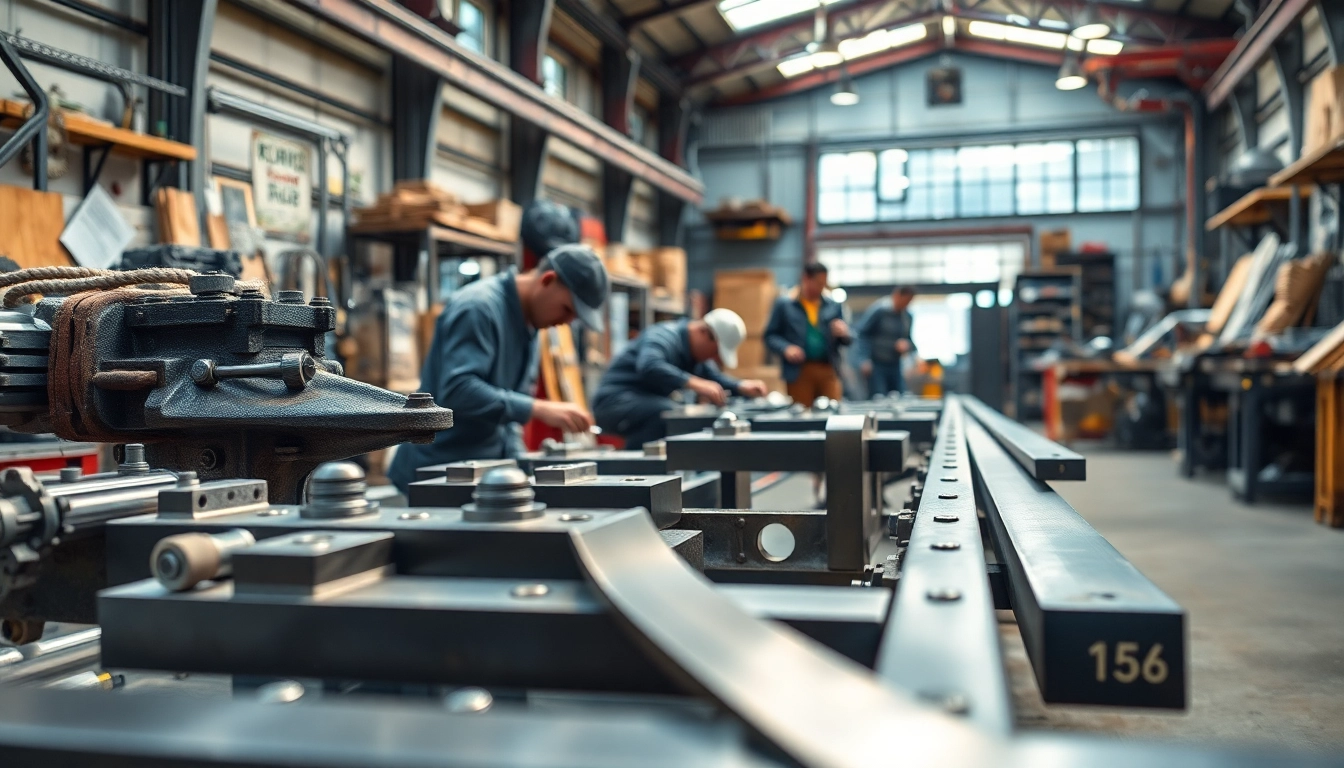
Custom steel fabrication encompasses a wide range of processes, including cutting, bending, welding, and assembling steel structures and components. Fabricators utilize various materials, but steel remains the most popular due to its durability, strength-to-weight ratio, and recyclability. The custom aspect refers to the ability to tailor each project to specific specifications, which can vary greatly based on the project's requirements.
This process often begins with conceptualization, where engineers and designers collaborate to develop detailed blueprints or models. These designs include specifications such as dimensions, shapes, and functional requirements. Next, the fabrication process begins, incorporating advanced techniques and technologies to bring these designs to life. As such, custom steel fabrication is not only about meeting the specifications but also about innovating to create sustainable, high-quality solutions.
Key Benefits of Custom Steel Fabrication
One of the primary advantages of custom steel fabrication is the ability to produce unique solutions tailored to the specific needs of a project. Some of the key benefits include:
- Customization: Fabricators can design components that meet precise client specifications, whether in size, shape, or function. This level of personalization ensures that each piece fits seamlessly into the overall project.
- Enhanced Performance: Custom solutions often lead to improved functionality. For instance, custom steel structures can enhance load-bearing capacity, yielding better performance in various applications.
- Cost Efficiency: By optimizing material usage and minimizing waste, custom fabrication can lead to significant cost savings. Fabricators analyze designs and processes to ensure the most efficient use of resources.
- Quality Assurance: Professional custom fabricators prioritize quality at every stage of the fabrication process. This ensures that the end product not only meets but often exceeds industry standards.
Common Applications
Custom steel fabrication has a broad range of applications across various industries. Some of the most common include:
- Construction: Steel beams, columns, and frames are integral to modern architecture and construction practices, providing the skeleton for buildings.
- Manufacturing: Many industrial machines and equipment are produced from custom-fabricated steel parts, which are designed for optimized performance.
- Automotive: The automotive industry relies heavily on custom steel parts for manufacturing vehicles that require specific dimensions and functionalities.
- Infrastructure: Custom solutions are used in bridges, roads, and other infrastructure projects where tailored designs and specifications are critical.
Techniques Used in Custom Steel Fabrication
The processes and techniques involved in custom steel fabrication are numerous, each contributing to the overall efficiency and quality of the final product. Understanding these techniques is crucial for anyone involved in the industry.
Welding and Assembly Techniques
Welding is one of the most critical aspects of steel fabrication. It involves joining two pieces of steel using heat and pressure, forming a strong bond. Various welding techniques exist, including MIG (Metal Inert Gas), TIG (Tungsten Inert Gas), and Stick welding, each suited for different applications and material thicknesses. Selecting the right welding method can significantly impact the quality and durability of the final assembly. Additionally, thorough training and certification of welders ensure that all joints meet specific strength and safety standards.
CNC Machining in Custom Steel Fabrication
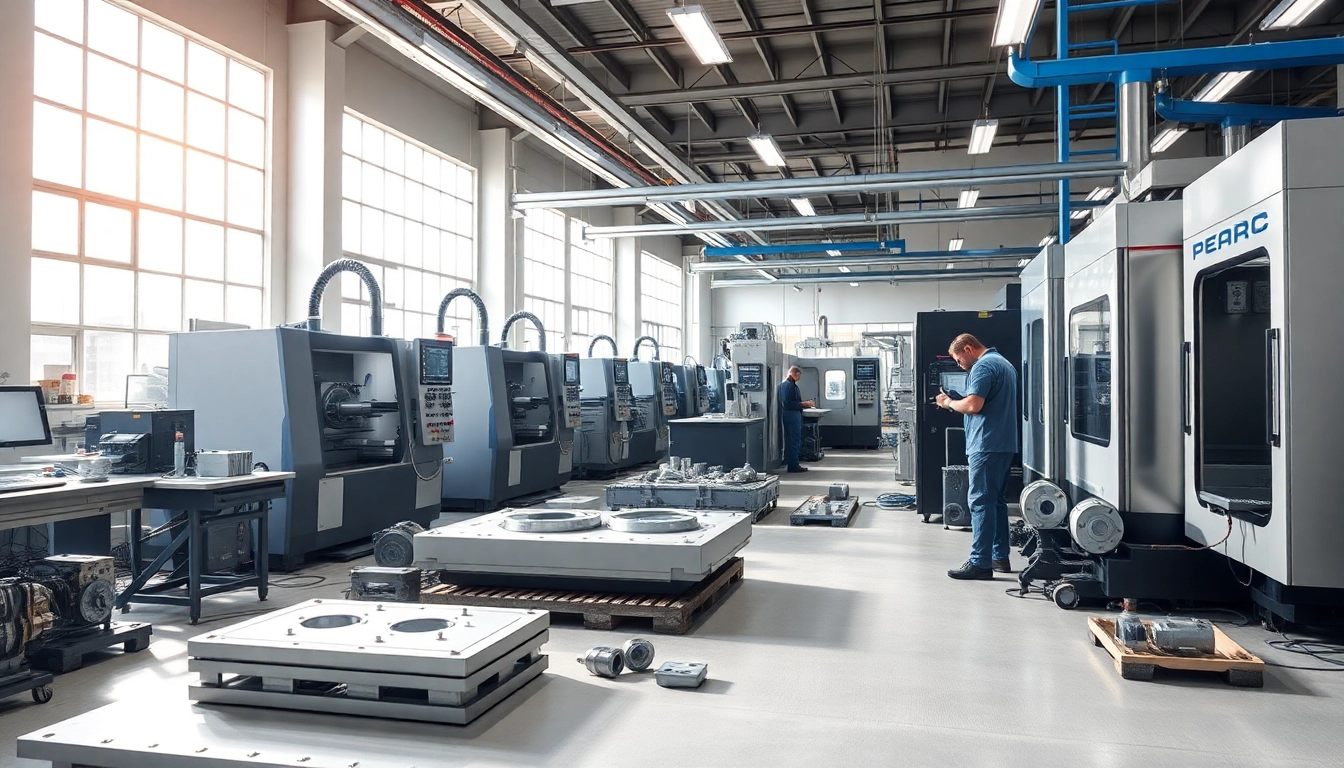
Computer Numerical Control (CNC) machining is an essential technology in custom steel fabrication. This automated process uses computer software to control precision machines that can cut, drill, or shape steel with remarkable accuracy. CNC machining allows for repeatability and precision that hand-operated equipment cannot match. The use of CNC can significantly reduce production time and costs, making it a favored technique in modern fabrication facilities.
Surface Treatment Methods
Once fabrication is complete, surface treatment methods are employed to enhance the longevity and performance of steel products. Common methods include:
- Galvanization: Coating steel with zinc to prevent rust and corrosion, especially important for outdoor applications.
- Powder Coating: Applying a dry powder that is cured under heat to create a protective layer, enhancing both aesthetics and durability.
- Painting: Applying paint to protect steel from environmental damage and enhance appearance.
Choosing the Right Custom Steel Fabrication Partner
Selecting the right partner for custom steel fabrication is essential to the success of any project. Potential clients should consider several factors to ensure their chosen fabricator aligns with their project goals and quality expectations.
Evaluating Expertise and Experience
When evaluating potential fabricators, it's imperative to assess their expertise and experience in the industry. A reliable fabricator should provide both a portfolio of past work and references from satisfied clients. Additionally, experience in specific industries or applications can give valuable insight into their capabilities. An established track record of delivering on time and within budget is also critical, as this demonstrates reliability.
Important Certifications and Compliance
Certifications can serve as a benchmark for quality and safety standards in custom steel fabrication. Common certifications to look for include:
- ISO Certifications: Indicating a commitment to consistent quality control and management.
- Welding Certifications: Ensures that the fabricator’s welding processes meet industry standards for safety and durability.
It's essential for fabricators to maintain compliance with local and national regulations, ensuring that all products adhere to safety and performance standards.
Assessing Quality Control Measures
Another vital aspect when choosing a fabrication partner is their quality control process. A structured quality assurance system should be in place, covering every step from initial design review through final inspection. This includes:
- Material Inspection: Assessing incoming materials for quality and specifications.
- In-Process Inspections: Regular checks during the fabrication process to ensure adherence to specifications.
- Final Quality Checks: Comprehensive assessments before delivery to confirm the final product meets all requirements.
Challenges in Custom Steel Fabrication
Despite its many advantages, custom steel fabrication isn't without challenges. Recognizing and addressing these hurdles is crucial for successful project completion.
Managing Cost and Budgeting
One of the primary challenges in custom steel fabrication is cost management. Fabrication projects can sometimes exceed budget due to unforeseen material costs, labor expenses, or design changes. To mitigate this risk, detailed upfront planning and transparent communication with the fabrication partner are essential. Utilizing efficient design practices that minimize waste sources and using advanced material forecasting tools can also help in controlling costs.
Meeting Project Deadlines
Timely delivery is critical in custom steel fabrication. Delays can arise from various factors, including supply chain issues, labor shortages, or technical challenges. Establishing a detailed project timeline with buffer periods for unexpected delays can help ensure that deadlines are met. Moreover, regular communication between stakeholders can aid in identifying potential issues early, allowing for prompt solutions.
Addressing Technological Changes
The rapid advancement of technology in manufacturing poses both opportunities and challenges for custom steel fabrication. From new welding techniques to innovative materials, keeping up with industry trends is essential. Companies should invest in ongoing training and professional development to ensure their teams are well-versed in the latest techniques and technologies, thereby enhancing overall capability and competitiveness.
Future Trends in Custom Steel Fabrication
The custom steel fabrication industry is continually evolving, shaped by technological advancements and shifting market demands. Companies that adapt to these changes will position themselves for future success.
Sustainability Practices
As environmental concerns take center stage, sustainability practices are becoming increasingly important in custom steel fabrication. This includes using recycled materials in production and employing energy-efficient manufacturing processes. Additionally, developing products that contribute to a circular economy can enhance business reputations and appeal to eco-conscious consumers.
Integration of Advanced Technologies
Technologies such as automation, AI, and robotics are making significant inroads into the fabrication industry. Automated systems increase efficiency, reduce labor costs, and improve accuracy in production, while AI enhances predictive maintenance and optimization strategies. Embracing these technologies can streamline operations and improve the quality of custom steel products.
Innovation in Design and Manufacturing
The demand for more innovative designs is pushing fabricators to explore new techniques and approaches. This includes the use of parametric design tools that allow for more complex geometries and structures, and advances in additive manufacturing, which can create lighter yet stronger steel components. Staying at the forefront of design innovation will be essential for attracting new clients and applications.