




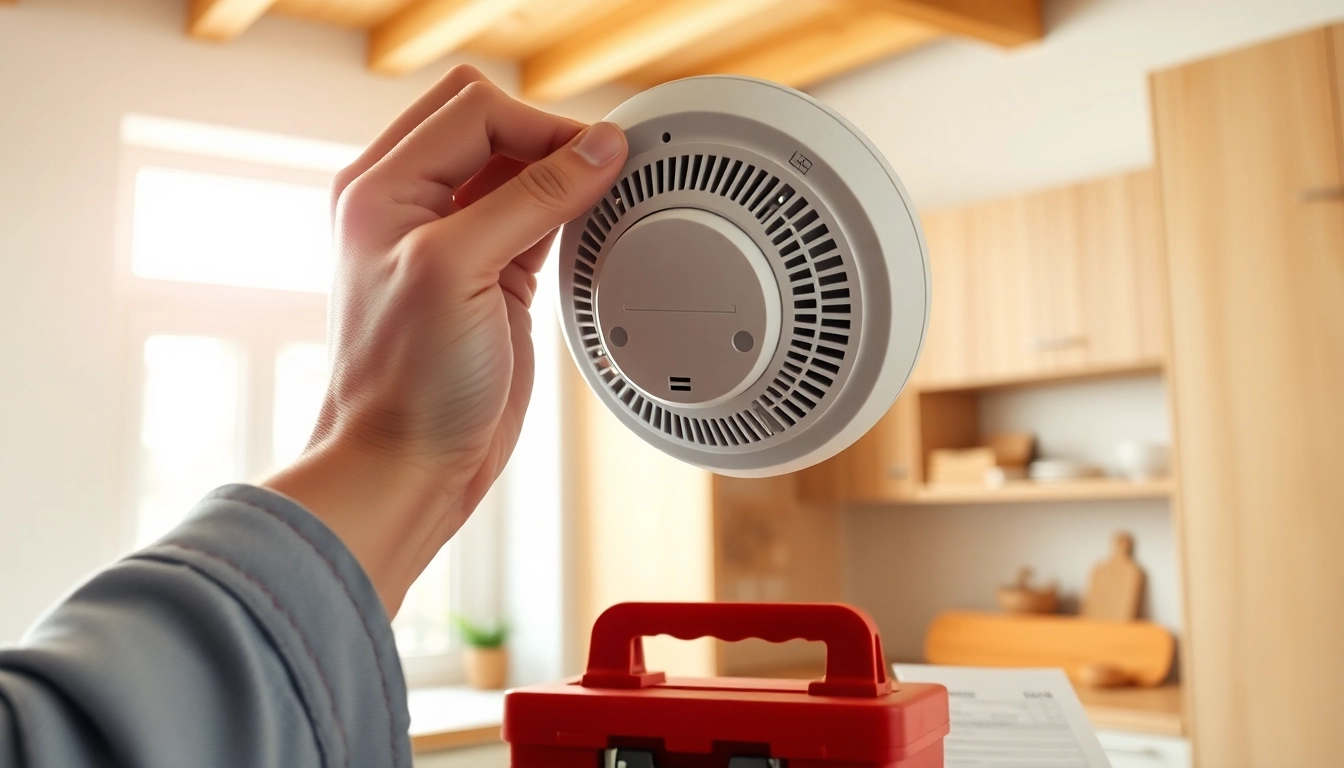
Understanding Smoke Detector Battery Types
When it comes to home safety, understanding the different smoke detector battery types is crucial. A smoke detector’s effectiveness heavily relies on the battery used in it. Different types of batteries are available for smoke detectors, and the choice can significantly impact both performance and safety. Utilizing the right battery ensures that your smoke detectors perform optimally, providing the early warning needed in case of a fire.
Common Varieties of Smoke Detector Battery
Typically, smoke detectors operate on two primary battery types: alkaline and lithium. Alkaline batteries are the most common and can be purchased in standard sizes such as AA or 9V. They are widely available and relatively inexpensive, with a moderate lifespan ranging from six months to a year, depending on usage.
Lithium batteries have gained popularity due to their extended life, lasting up to 10 years. These generally come in sealed units, meaning they must be replaced entirely rather than just the battery. This longer lifespan can provide peace of mind, as users do not have to worry about changing batteries regularly.
Choosing the Right Smoke Detector Battery
Selecting the appropriate smoke detector battery is essential for maintaining safety standards. It’s vital to refer to the manufacturer’s instructions regarding battery specifications. For instance, if a smoke detector requires a 9V battery, using a different size could jeopardize its functionality. Additionally, consider brand reliability and reviews before purchasing replacement batteries, as quality can significantly differ among various brands.
Battery Life and Expiration Influences
The lifespan of a smoke detector battery can be influenced by several factors. Environmental conditions, such as extreme temperatures or humidity, can affect a battery’s performance. High temperatures may increase the battery’s drain, while cold conditions can reduce its effectiveness. Moreover, many newer smoke detectors feature battery monitoring systems that alert users when replacements are necessary, ensuring optimal performance and safety.
How to Replace a Smoke Detector Battery
Replacing a smoke detector battery is a straightforward but essential task for household safety. Regular battery changes can ensure your smoke detectors remain functional, especially in the critical moments when they are needed most.
Steps for Safe Replacement
To replace a smoke detector battery safely, begin by turning off the smoke detector. If you have a hardwired model, switch off the corresponding fuse. Following this, carefully remove the smoke detector from its mounting bracket. If there is a cover, twist or slide it open depending on the model. Next, remove the old battery, checking for any corrosion before inserting the new one. Make sure it fits snugly and close the cover or reattach the detector to its bracket. Finally, turn the power back on (if applicable) and test the alarm to ensure it functions correctly.
Tools Needed for Changing Smoke Detector Battery
Most smoke detector battery replacements can be accomplished without any tools. However, certain models may require a screwdriver to detach them from their mounting. A flashlight can also be useful, especially if the detector is installed in a poorly lit area.
When to Consult a Professional
If you are uncertain about how to replace the battery safely, or if the smoke detector exhibits unusual behavior—such as beeping despite having a fresh battery—it may be prudent to consult a professional. A fire safety expert can provide insight into smoke detection issues and ensure that your systems are functional and compliant with local regulations.
Maintaining Smoke Detectors for Optimal Functionality
Ongoing maintenance of your smoke detector ensures that it remains in peak condition. This proactive approach can significantly impact your household safety.
Regular Testing Procedures
It is advisable to test smoke detectors at least once a month. Press the test button until you hear a loud beep, indicating the unit is functioning correctly. Some models may offer silent testing options, so be sure to consult the manual. If the unit fails the test, replace the battery immediately or consider replacing the entire unit if necessary.
Caring for Your Smoke Detector Battery
While batteries can be relatively low-maintenance, taking care of them during storage can lengthen their lifespan. Store them in a cool, dry area away from humidity. Avoid placing batteries near heat sources or direct sunlight, which can accelerate their deterioration. Additionally, always keep extra batteries on hand to ensure you can promptly replace them when needed.
Signs Your Smoke Detector Needs Attention
Be aware of red flags indicating your smoke detector may need maintenance or replacement. Frequent beeping, chirping sounds, or persistent blinking lights could signify low battery life or other malfunctions. If the alarm sounds without being triggered by smoke or fire, consider replacing the unit. Moreover, if your smoke detector is over ten years old, it’s time for a replacement, regardless of battery condition.
Common Issues with Smoke Detector Batteries
Despite their importance, smoke detector batteries can encounter issues that affect their reliability. Troubleshooting these frequent problems can help maintain home safety.
Identifying Battery Failure Signs
Common signs of battery failure include an alarm that chirps intermittently or a complete absence of response when tested. Additionally, if the smoke detector fails to respond to actual smoke or fire, a battery issue may be indicated. Regular checks and testing are essential to ensure that you catch these signs early.
Resolving Beeping Problems
If your smoke detector has begun beeping or chirping unexpectedly, it may be trying to alert you about low battery life or a malfunction. The first step in resolution is to replace the battery with a new one, ensuring it is correctly installed. If beeping continues, consider consulting the manufacturer’s instructions or contacting a professional for further assistance.
What to Do When Battery is Fresh but Detector is Chirping
When a smoke detector chirps even after replacing the battery, first ensure that the battery is installed correctly. Dust and dirt can also accumulate in detectors, affecting functionality. Gently vacuum or clean the smoke detector with a soft cloth. If the problem persists, consider whether it’s time for a complete detector replacement, as aging units may have internal issues that affect performance.
Safety Tips and Best Practices
Safety in the context of smoke detectors extends beyond just installation; it also involves diligent maintenance of your smoke detector battery and its replacement.
How to Pick the Best Smoke Detector Battery
When choosing a smoke detector battery, consider factors such as longevity, compatibility, and brand reputation. Lithium batteries, although more expensive, offer longer life spans and less frequent replacements. Conversely, alkaline batteries are affordable and widely available. Evaluate your needs and opt for what best aligns with your usage and safety requirements.
Safety Measures During Replacement
When changing the battery, prioritize safety. Ensure you are stable on a ladder if needed and use proper equipment. Avoid overreaching, which can lead to falls, and have someone assist you if possible. If your detector is hardwired, ensure the power is off before attempting to remove it.
Storing Batteries Safely and Effectively
When storing batteries, keep them in a cool and dry area. Utilize battery organizers or containers to avoid corrosion and leakage, which can damage other batteries and nearby surfaces. Labeling battery containers can facilitate easy future access, ensuring you have what you need when it’s time for replacements.
Frequently Asked Questions
How often should smoke detector batteries be replaced?
Smoke detector batteries should typically be replaced every 6 months to a year, depending on the battery type and smoke detector model.
What type of battery is best for smoke detectors?
Lithium batteries are often recommended as they last up to 10 years, while alkaline batteries are common but need more frequent replacements.
Can I use any battery in my smoke detector?
No, it’s vital to use the type and size specified in the smoke detector’s manual to ensure proper functionality and safety.
Why is my smoke detector beeping even after replacing the battery?
If your smoke detector continues to beep, check for dust buildup, ensure the battery is inserted correctly, and consider replacing the device if it’s old.
Do smoke detectors have expiration dates?
Yes, most smoke detectors have a lifespan of 10 years. After this period, they should be replaced even if they appear functional.



More Stories
Essential Guide to Exhaust Hood Installation for Effortless Cooking Environments
Creating Elegant Showers: Design Inspiration, Tips, and Best Practices
Elevate Your Space with Elegant Showers Australia: Luxurious Styles and Trends